Episode 6: It Never Changes to Stop
“Manufactured Death - It Never Changes to Stop” show notes, images, and resources.
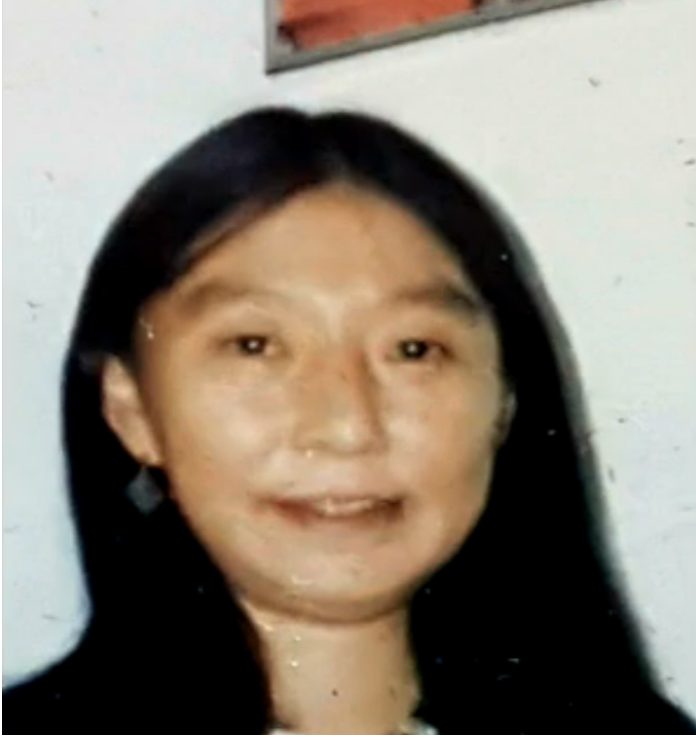
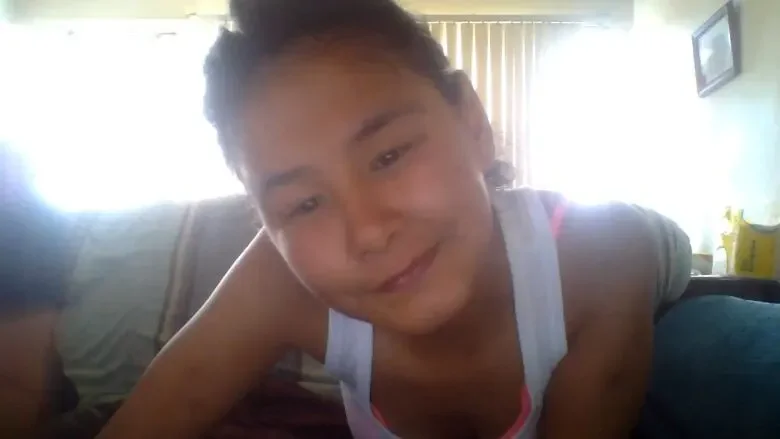
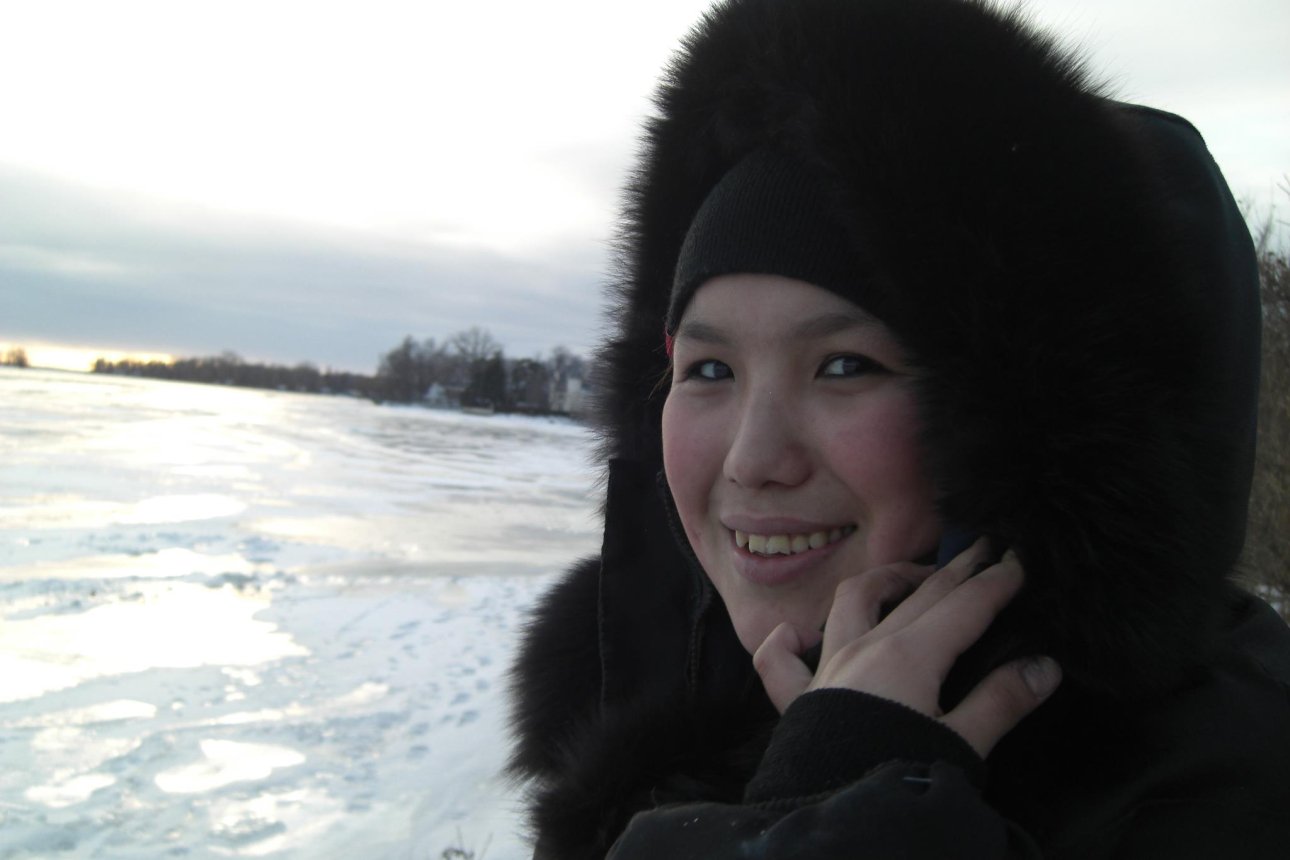
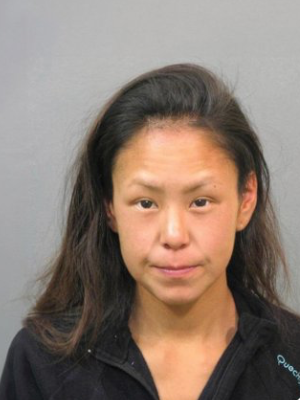
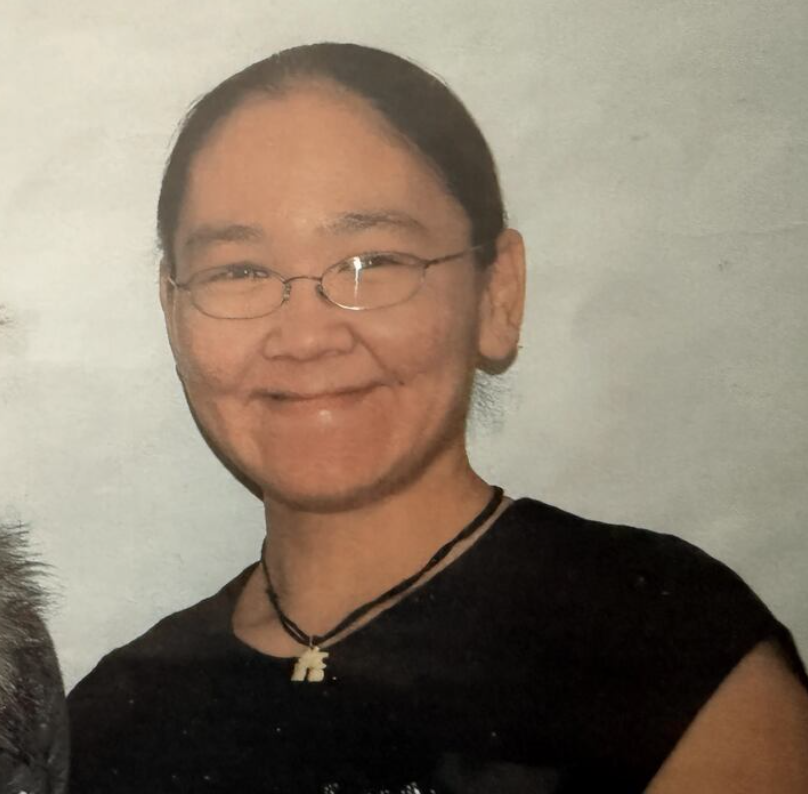
In case you missed it, here is a link to episode 6: https://podcasts.apple.com/podcast/id1896469784
Image Descriptions…
Image 1: headshot of Alacie Nowrakudluk
Image 2: headshot of Siasi Tullaugak
Image 3: headshot of Sharon Baron
Image 4: headshot of Donna Pare
Image 5: headshot of Alasie Tukkiapik
In this episode….
In our final episode of “Manufactured Death”, we talk about how to move forward with this story, what needs to happen so as to ensure this pattern of apathy and neglect doesn’t keep repeating. Necessary investigative, preventative, and material improvements are also discussed as means of ensuring adequate action on the situation of MMIWG2S+ in Montreal. Theories, patterns, and summaries of cases are also provided, before leaving with hope for our fight to continue.
Timestamps…
Disposability as a class: 8:37
The hanging deaths: 17:07
The overdose deaths: 28:52
Donna and Ellen: 31:58
Historic MMIWG2S+ cases: 36:02
Discussion about necessary changes: 39:28
Ending and thanks: 50:12
Recommendations: 52:54
In memory of: 57:53
Calls to Action…
Share this podcast, this story with someone you love. Ask them to take action too.
Continue calling on the Surete du Quebec, the SPVM, Quebec Minister of Social Services, Director of Youth Protection, your local MP and demand that they take action on the situation in Cabot Square.
Continue calling for change at the local level, keep contacting the office of Mayor Soraya Martinez-Ferrada, until they commit to making sustainable change in Cabot Square and fully investigating how this situation was allowed to unfold and continue for as long as it did.
Resources…
Pauktuutit Inuit Midwifery: http://Indigenoushealingknowledges.com/whoweare/
Forsaken - The Report of the Vancouver Missing Women Commission of Inquiry: https://missingwomen.library.uvic.ca/wp-content/uploads/2010/10/Forsaken-Vol-3-web-RGB.pdf
Interaction map of MMIWG2S+ throughout Quebec: https://experience.arcgis.com/experience/d9500250ae1b479cbeabb3301986ce8c/page/Interactives-Maps?views=Introduction
Overview of the alcohol overdose killings of Indigenous women in Vancouver’s Downtown Lower Eastside: https://en.wikipedia.org/wiki/Gilbert_Paul_Jordan
Episode 5: The Walking Dead
“Episode 5 - The Walking Dead” show notes, images, and sources.
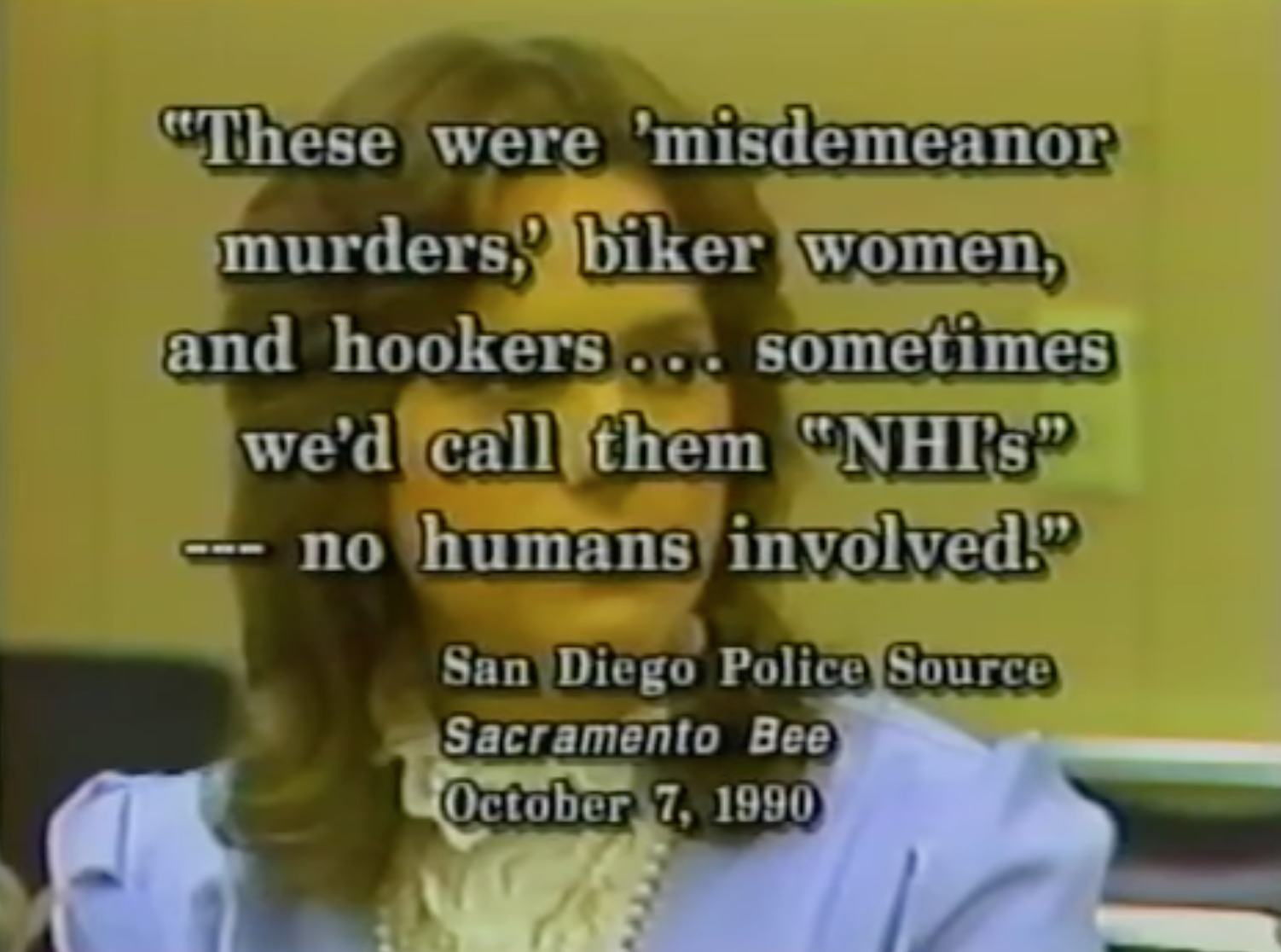
In case you missed it, here is a link to episode 5: https://podcasts.apple.com/podcast/id1896469784.
Image Descriptions…
Image 1: image describing the San Diego Police’s use of the “No Human Involved" classification for sex trade killings
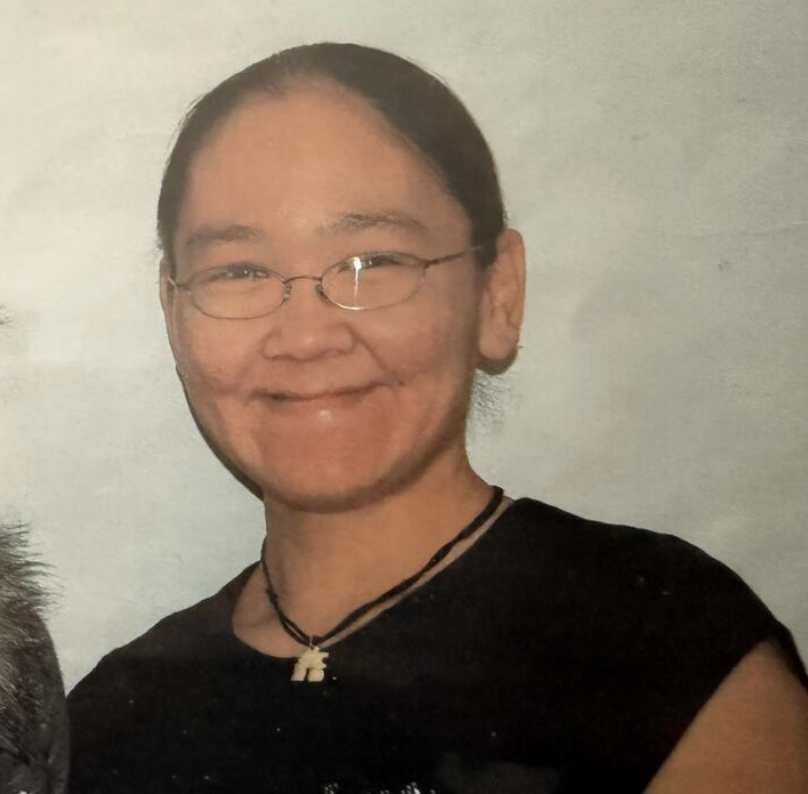
Image 2: headshot of Alasie Tukkiapik
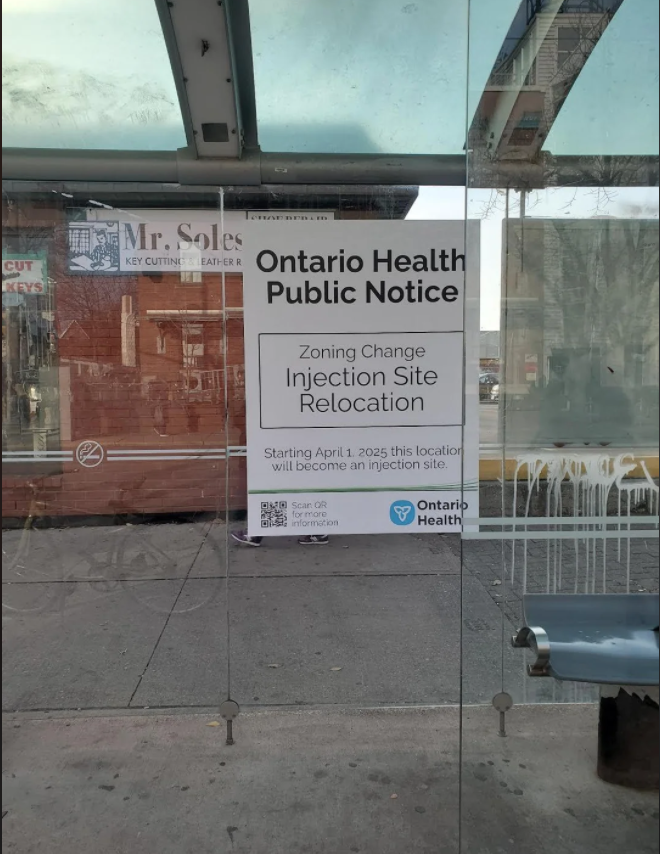
Image 3: protest signs that were posted around Toronto in response to proposed closure of safe consumption sites
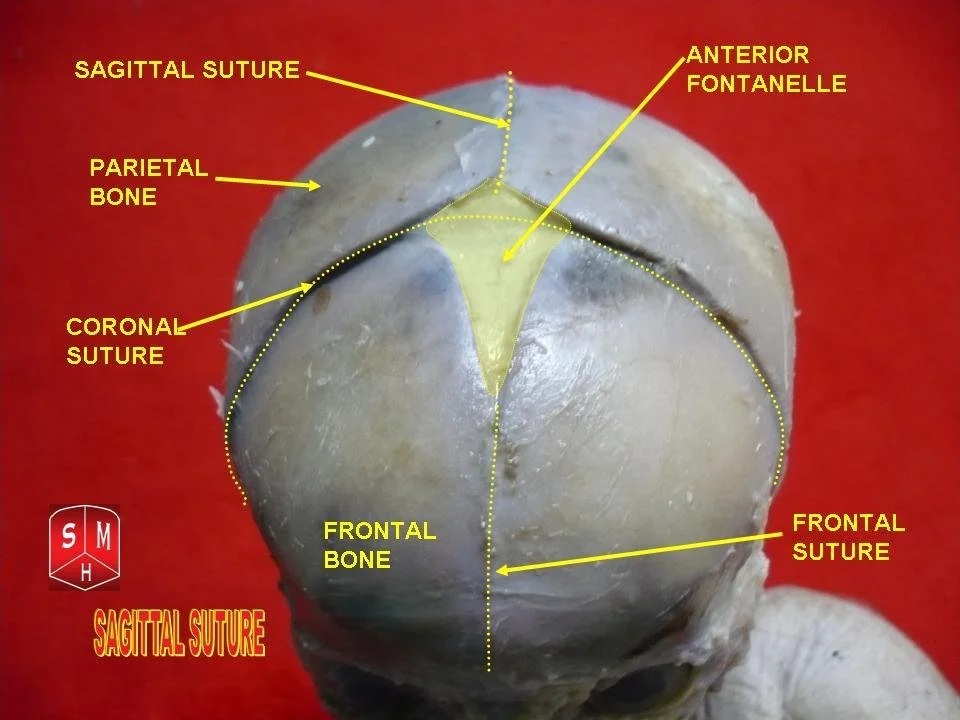
Image 4: image of the saggital suture of the skull, which was fractured in Ellen's death
In this episode….
In our fifth episode of "Manufactured Death”, we explore a series of seven suspicious deaths of Indigenous women which occurred between January 2023 to July 2024. We look at how government closures of safe consumption sites and systemic apathy to the opioid and toxic drug supply provides the perfect guise to get away with murder of Indigenous women, including several examples of this. The death of Alasie Tukkiapik is discussed as part of this string of deaths, along with yet another hanging death. These deaths, and the lack of response to them, is situated within Achilles Mbembe’s concept of “necropolitics”, and the historic use of the “No Human Involved” classification of sex trade femicides.
Timestamps…
Necropolitics: 00:36
No Human Involved: 9:31
Jillian and Sophia: 17:02
Ashley and Celeste: 29:40
Safe consumption sites closure: 32:32
Alasie Tukkiapik: 45:11
Ellen: 53:22
Melanie: 59:18
Calls to Action…
Call on the Surete du Quebec at 1-800-659-4264 and the SPVM at and request that they launch an investigation into all suspicious deaths of all Indigenous women in and around Cabot Square
Contact the office of the Mayor of Montreal, Soraya Martinez Ferrada at 514-872-0311. Call on her to implement oversight and accountability measures for Montreal community service organizations, and to launch an inquiry into the conduct of the Montreal Police, Batshaw, and surrounding community organizations in Montreal in light of the high number of MMIWG2S+ in Cabot Square.
Learn more about harm reduction, and join the fight to save safe consumption sites and harm reduction across Canada by visiting: www.harmreduction.org. Call on your local MP or MPP and ask them to stand up to protect life saving care.
Resources…
“No Human Involved - Donna Gentile” documentary on the murder of Donna Gentile and other sex workers in San Diego and the use of the “No Human Involved” label: https://www.youtube.com/watch?v=qaUbJkStO5c
National Harm Reduction Coalition: https://harmreduction.org/
Toronto Harm Reduction Advocacy Collective petition: https://win.newmode.net/harmreductionadvocacycollectivetoronto/provincialcampaignscsclosure?utm_source=ig&utm_medium=social&utm_content=link_in_bio&fbclid=IwY2xjawRyGXZleHRuA2FlbQIxMABicmlkETFmVXdaREQyZk9MNnR2ZkJpc3J0YwZhcHBfaWQQMjIyMDM5MTc4ODIwMDg5MgABHm2CvYsyOs_XHexYJyKxr_IjnTOdd_lnovGotGMZEwRjreWZT8yZdCwKPr3x_aem_Avmp5C1u5EnBO7bE08K9cQ
Article on the death of Alasie Tukkiapik: https://www.cbc.ca/news/canada/montreal/alasie-tukkiapik-death-montreal-family-and-advocates-9.7130813
Sources…
Chan, H. C. O., & Beauregard, E. (2019). Prostitute homicides: A 37‑year exploratory study of the offender, victim, and offense characteristics. Forensic Science International, 294, 196–203. https://doi.org/10.1016/j.forsciint.2018.11.022
CBC News. (2026, April 9). Alberta government faces another legal fight to keep supervised consumption sites open in Calgary and Lethbridge. https://www.cbc.ca/news/canada/calgary/supervised-consumption-legal-battle-9.7156593
CBC News. (2025, March 26). Benoît Labre safe consumption site at centre of ongoing debate in Quebec. https://www.cbc.ca/news/canada/montreal/benoît-labre-safe-consumption-drugs-quebec-1.7528045
CBC News. (2023, September 14). Insite marks 20-year anniversary as Canada’s first supervised injection site [Video]. CBC News. https://www.cbc.ca/news/canada/british-columbia/insite-20-year-anniversary-1.6966605
CBC News. (2024, March 16). Ontario ending supervised drug consumption funding. CBC News. https://www.cbc.ca/news/canada/toronto/ontario-ending-supervised-drug-consumption-funding-9.7130534
CTV News Edmonton. (January 4, 2026). The perfect crime: What are hotshot homicides?https://www.ctvnews.ca/edmonton/article/the-perfect-crime-what-are-hotshot-homicides/
Christovale, E., Bogues, A., Jackson, Z. I., & Wynter, S. (2021). No humans involved: Artists defy Western conceptions of the “human” (Foreword by A. Philbin). DelMonico Books/Hammer Museum. https://delmonicobooks.com/book/no-humans-involved/
Ferrer, E., & de Notaris, M. (2011). Contemporary skull fractures: Unusual everted fracture. World Neurosurgery, 76(5), 417–418. https://doi.org/10.1016/j.wneu.2011.01.039
Gezinski, L. B., Gonzalez‑Pons, K. M., & Rogers, M. M. (2021). Substance use as a coping mechanism for survivors of intimate partner violence: Implications for safety and service accessibility. Violence Against Women, 27(2), 108–123. https://doi.org/10.1177/1077801219882496
Kisubi Mbasalaki, P. (2023). Sex work feminicide and the making of #SayHerName campaign by SWEAT in South Africa.In M. Dawson & S. Mobayed Vega (Eds.), The Routledge international handbook on femicide and feminicide (pp. 351–360). Routledge.
Lowman, J. (2000). Violence and the outlaw status of (street) prostitution in Canada. Violence Against Women, 6(9), 987–1011. https://doi.org/10.1177/10778010022182245
Munakomi, S., Bhattarai, B., & Shah, S. B. (2022). A near‑complete sagittal split of the adult cranial vault due to traumatic diastatic fracture overlying the superior sagittal sinus. Neurology India, 70(1), 167. https://doi.org/\10.4103/0028‑3886.338702
Potterat, J. J., Brewer, D. D., Muth, S. Q., Rothenberg, R. B., Woodhouse, D. E., Muth, J. B., Stites, H. K., & Brody, S. (2004). Mortality in a long‑term open cohort of prostitute women. American Journal of Epidemiology, 159(8), 778–785. https://doi.org/10.1093/aje/kwh110
Public Health Agency of Canada. (n.d.). Opioid- and stimulant-related harms in Canada. Government of Canada. https://health-infobase.canada.ca/substance-related-harms/opioids-stimulants/
Quinet, K. (2011). Prostitutes as victims of serial homicide: Trends and case characteristics, 1970–2009. Homicide Studies, 15(1), 27–52. https://doi.org/10.1177/1088767910397276
Salfati, C. G., James, A. R., & Ferguson, L. (2008). Prostitute homicides: A descriptive study. Journal of Interpersonal Violence, 23(4), 505–543. https://doi.org/10.1177/0886260507312946
Sorochinski, M., & Salfati, C. G. (2019). Sex worker homicide series: Profiling the crime scene. International Journal of Offender Therapy and Comparative Criminology, 63(9), 1776–1793. https://doi.org/10.1177/0306624X19839274
Episode 4: No Safe Place
“Manufactured Death - No Safe Place” show notes, images, and sources.

In case you missed it, here is a link to episode 4: https://podcasts.apple.com/ca/podcast/manufactured-death-a-story-of-mmiwg2s-in-cabot-square/id1896469784
Image Descriptions…
Image 1: headshots of Morgan Harris, Ashlee Shingoose, Marcedes Myran, and Rebecca Contois
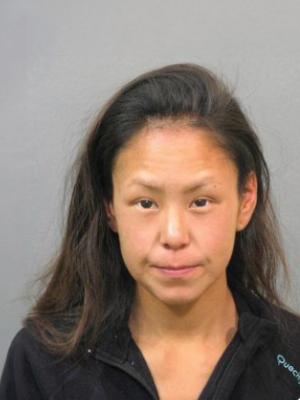
Image 2: headshot of Donna Pare
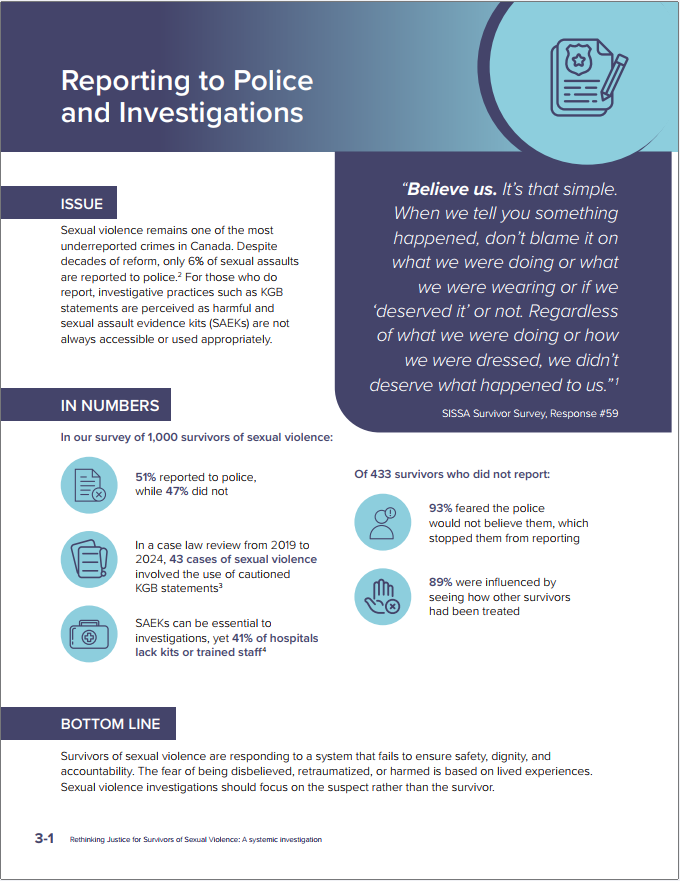
Image 3: Office of the Federal Ombudsperson for Victims of Crime infographic on sexual assault and reporting to police
In this episode….
In our fourth episode of “Manufactured Death”, we discuss some suspicious deaths of Indigenous women in Cabot Square following the arrest and incarceration of The Wrathful One in 2018, along with the 2019 disappearance of Donna Pare. Homicide staged as suicide within the broader context of MMIWG2S+ is explored, as it relates to Nunia, Siasi, Sharon, and Tess’ deaths. We talk about how the continued and ongoing violence, death, and disappearances of Indigenous women in Cabot Square is indicative of the fact that this situation is bigger than any one person. It’s a broader, complex system that requires complex solutions. Quebec’s crown prosecution service had a chance to keep these women safe when The Wrathful One was charged and arrested in 2018, and then again, in 2023. And they failed.
Timestamps…
Tess: 6:54
Search the Landfill: 15:48
Homicide staged as suicide: 19:33
Donna Pare: 27:12
Alice: 34:34
The Wrathful One’s 2022 release: 42:22
Challenges for community workers: 44:21
Legal barriers to reporting violence: 51:15
Breakdown of surrounding community organizations: 55:39
The Wrathful One’s 2023 arrest: 1:00:56
Dangerous Offender classification: 1:02:00
Calls to Action…
Call on Quebec’s Minister of Social Services to investigate the failure of shelters and community organizations in Montreal and around Cabot Square. Specifically, to understand how these vulnerable women were able to fall in between the cracks. Contact Social Services Minister Lionel Carmen at 450-463-3772 or by email via ministre.responsable@msss.gouv.qc.ca, lionel.Carmant.TAIL@assnat.qc.ca. Please visit our website at www.justiceforcabotsquare.ca for contact information.
Call on the Surete du Quebec and SPVM and ask them once again to investigate the string of suspicious deaths and disappearances of all Indigenous women and girls in and around Cabot Square. You can call the SPVM at: 514-280-2222 and the Surete du Quebec at: 1-800-659-4264
Contact the office of the Mayor of Montreal, Soraya Martinez Ferrada at 514-872-0311. Call on her to implement oversight and accountability measures for Montreal community service organizations, and to launch an inquiry into the conduct of the Montreal Police, Batshaw, and surrounding community organizations in light of the high number of MMIWG2S+ in Cabot Square.
Resources…
National Inquiry on MMIWG2S+: https://www.mmiwg-ffada.ca/final-report/
Quebec Family Information Liaison Unit: https://www.quebec.ca/en/gouvernement/ministeres-organismes/secretariat-premieres-nations-inuit-srpni/mission-mandats/qfilu
Report titled “Understanding the Needs of Workers in the Homelessness Support Sector": https://www.homelesshub.ca/sites/default/files/attachments/HubSolutions-Understanding-Needs-Oct2021.pdf
“A Case Study of a Murder Staged to Look Like a Suicidal Hanging: Focusing on the Small Details That Led to the Successful Resolution of the Investigation”: https://www.aafs.org/sites/default/files/media/documents/AAFS-2011-D17.pdf
Amnesty International’s statement on the Manitoba government’s refusal to conduct a search of the landfill where the remains of Marcedes Myran, Morgan Harris, Ashlee Shingoose, and Rebecca Contois were dumped: https://amnesty.ca/human-rights-news/canada-search-the-landfills/
Link to Donna Pare’s missing persons post on the Montreal police website: https://spvm.qc.ca/en/MissingAndWantedPeople/Missing/fa17824c-1acd-4a3b-95d9-45396f10f795
Article on the failures of Quebec’s Youth Protection to keep Inuit youth safe from child sex trafficking: https://www.cbc.ca/news/canada/north/quebec-judge-slams-youth-protection-services-northern-teen-1.7228432
References…
Assembly of Manitoba Chiefs. (2023, July 24). Final report of the landfill search feasibility study committee’s technical subcommittee. https://manitobachiefs.com/final-report-of-the-landfill-search-feasibility-study/
Brady, P. Q., Zedaker, S. B., McKay, K., & Scott, D. (2023). The darker the skin, the greater the disparity? Why a reliance on visible injuries fosters health, legal, and racial disparities in domestic violence complaints involving strangulation. Journal of Interpersonal Violence, 38(11–12), 7602–7629. https://doi.org/10.1177/08862605221145726
Elsevier. (2024). Journal of Affective Disorders. ScienceDirect. https://www.sciencedirect.com/science/article/pii/S0165032724013971
Government of Canada, Department of Justice. (2026). Criminal Code (R.S.C., 1985, c. C-46), section 753: Application for finding that an offender is a dangerous offender. Justice Laws Website.https://laws-lois.justice.gc.ca/eng/acts/C-46/section-753.html
Ferguson, C., & Brooks, N. (2025). A scoping review of strangulation and hanging: Determining suicide from concealed homicide in equivocal death cases. Psychiatry, Psychology and Law. Advance online publication. https://doi.org/10.1080/13218719.2025.2546321
Heldring, N., Krona, D., & Rudd, E. (2025). Indicators of strangulation in medico-legal assessments: A scoping review. Aggression and Violent Behavior, 82, Article 101997. https://doi.org/10.1016/j.avb.2025.101997
Men, V. Y., Chan, P. P. M., Schaffer, A., Morales, D. S., Steinberg, R., Mitchell, R. H., & Sinyor, M. (2024). Suicide by different methods in Toronto: A quantitative study examining 23-years of coronial records. Journal of Affective Disorders, 366, 283–289. https://doi.org/10.1016/j.jad.2024.08.163
National Center for Biotechnology Information. (2014). The social determinants of mental health. PubMed Central. https://pmc.ncbi.nlm.nih.gov/articles/PMC4165723/
Radio Canada International. (2024, July 11). Jeremy Skibicki 1st-degree murder trial decision. https://ici.radio-canada.ca/rci/en/news/2087466/jeremy-skibicki-1st-degree-murder-trial-decision
Smith, Zandré (2020). Death due to hanging: A retrospective descriptive study of the socioeconomic and demographic profiles of hanging victims in central South Africa.https://scholar.ufs.ac.za/server/api/core/bitstreams/c567ec5c-f333-4041-962b-e5c8dcc47809/content
Statistics Canada. (2023). Family violence in Canada: A statistical profile, 2022. https://www150.statcan.gc.ca/n1/pub/85-002-x/2023001/article/00003-eng.htm
Sutton, D. (2023). Gender-related homicide of women and girls in Canada. Juristat, Statistics Canada.https://www150.statcan.gc.ca/n1/pub/85-002-x/2023001/article/00003-eng.htm
Zambrowsky, S. C. (1987). Needs assessment on the Native women who are or may be in conflict with the law in the region of Montreal (Report No. 1987‑27). Solicitor General Canada. https://www.publicsafety.gc.
Episode 3: How to Make an Inuit Disappear
“Manufactured Death - The Best Way to Make an Inuit Disappear” show notes, resources, photos, and sources.
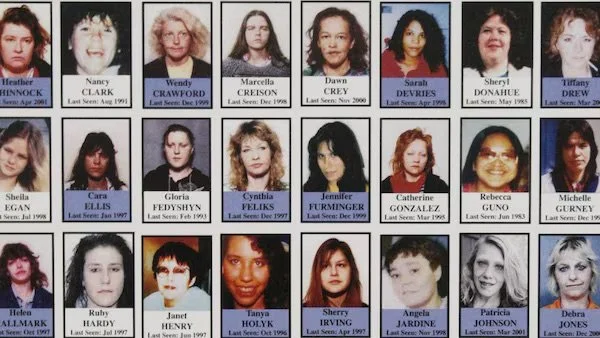
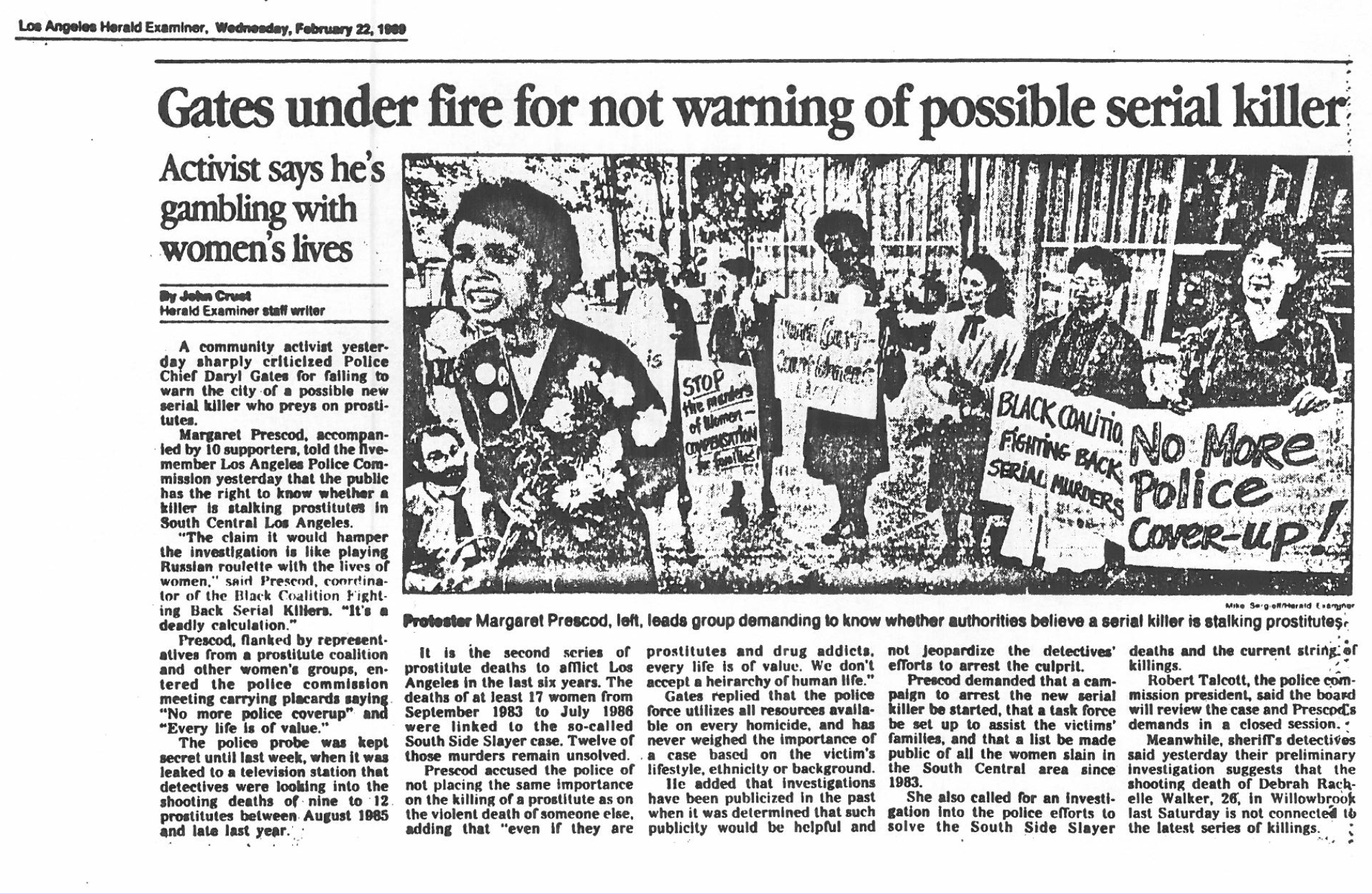

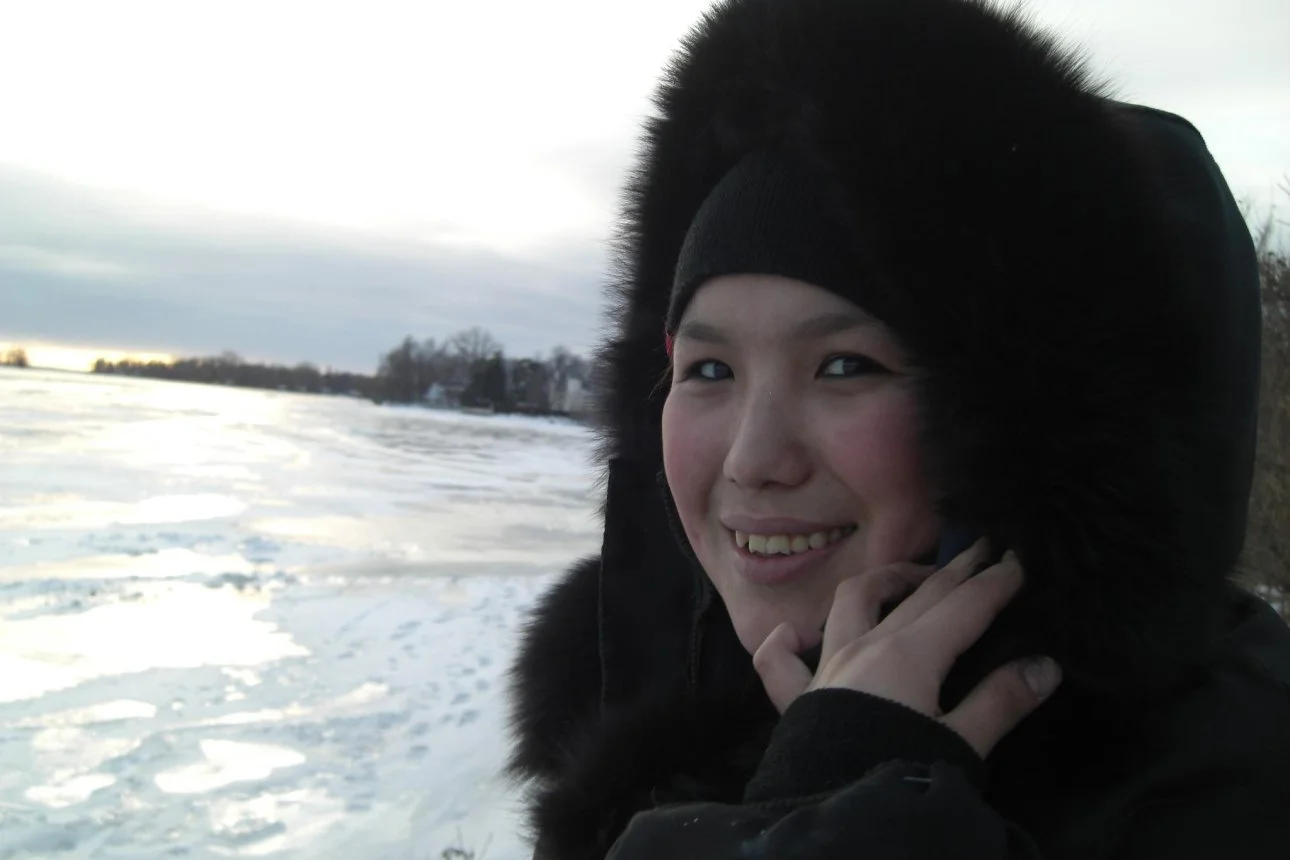
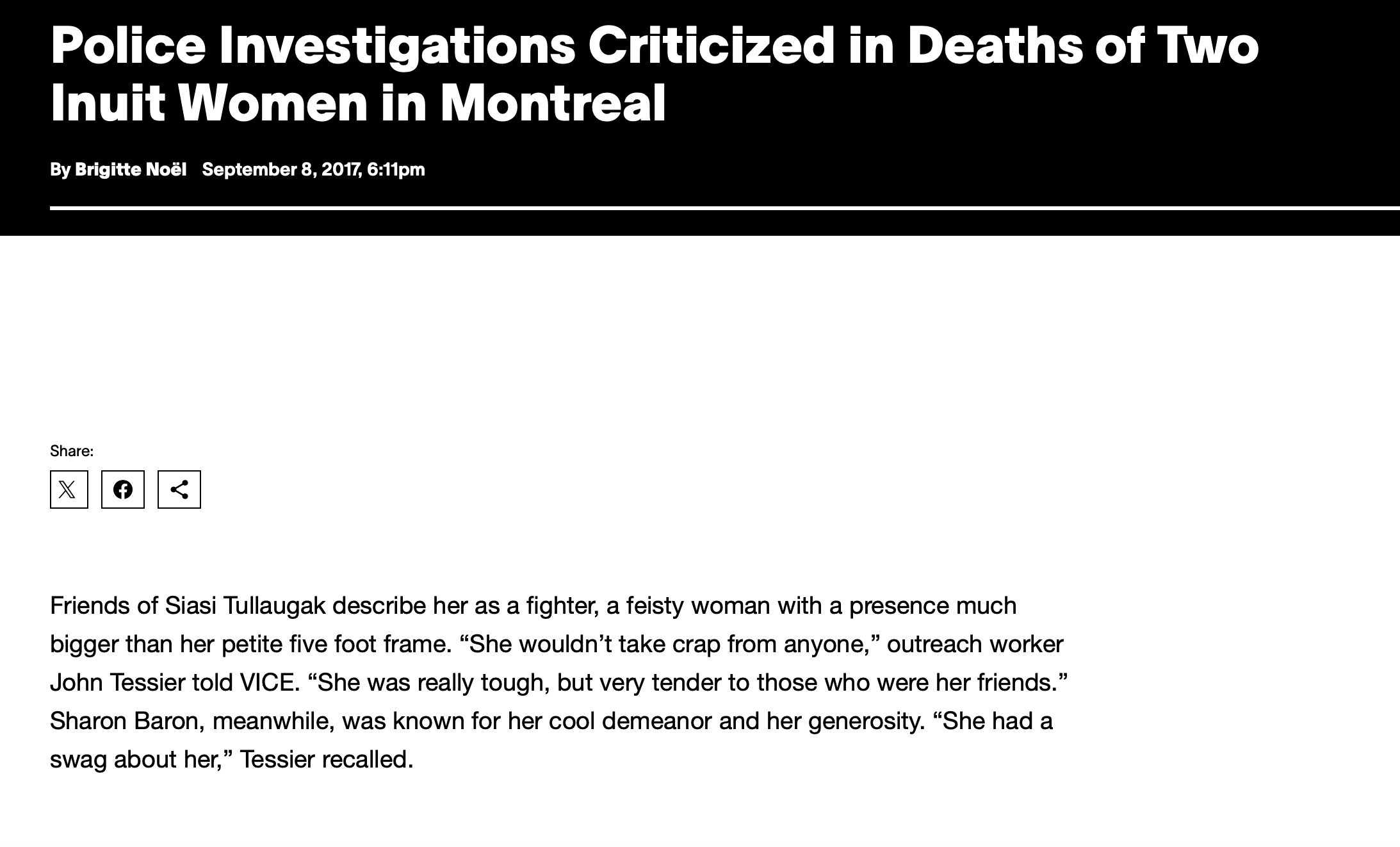
In case you missed it, here is a link to episode 3: https://podcasts.apple.com/podcast/id1896469784.
Image Descriptions…
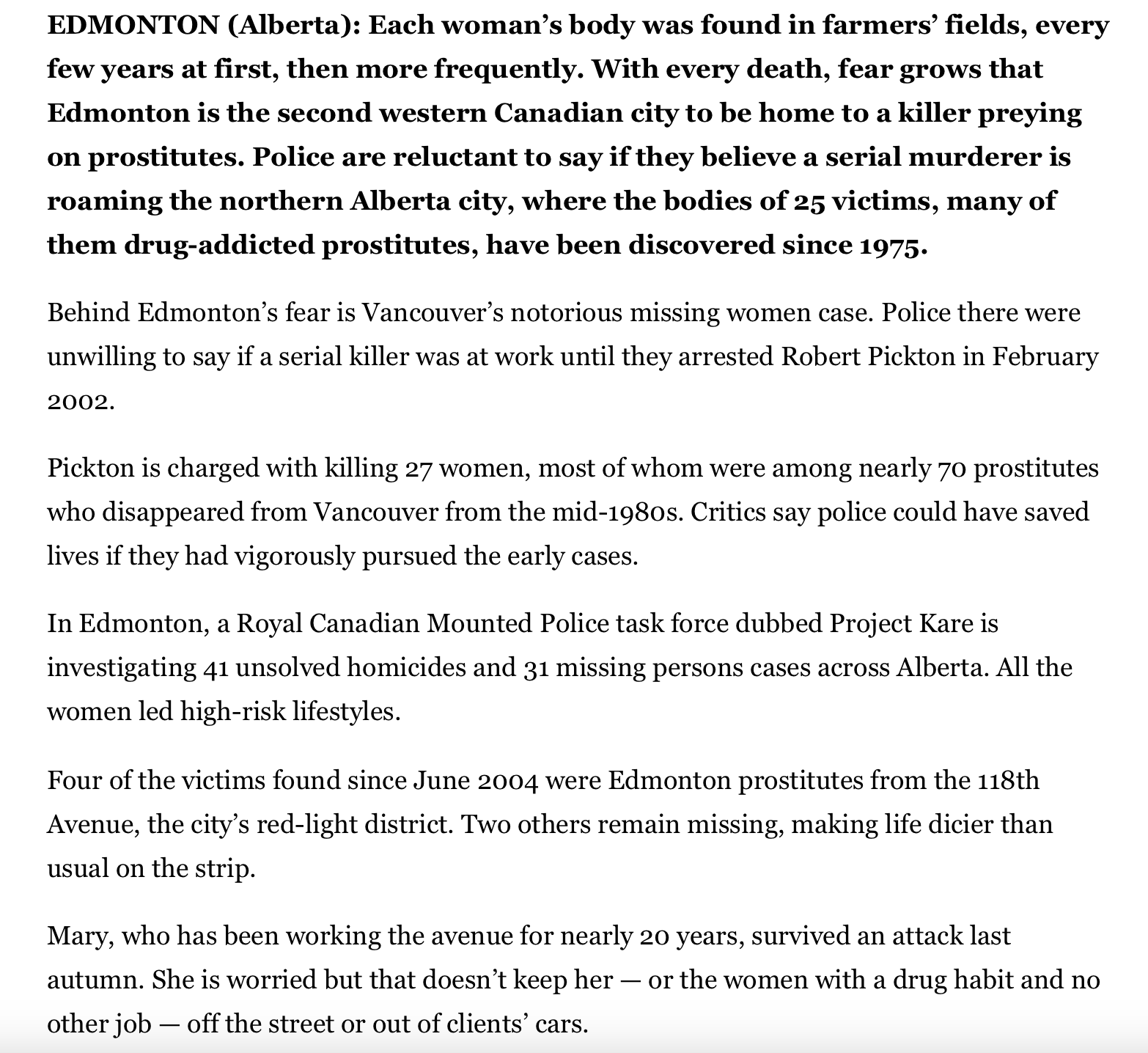
Image 1: clipping from a June 12, 2005 article from dawn.com on the killings of women in the sex trade in Edmonton, and the failure of police to connect these to a single serial murder, along with the similarities to the missing women of Vancouver
Image 2: collage of photos of some of the missing women from Vancouver’s Downtown Lower Eastside
Image 3: newspaper clipping from the Los Angeles Herald Examiner February 22, 1989 edition on the police failure to investigate the serial murders to Black women involved in the sex trade, retrieved from the Black Coalition Fighting Back Serial Murders
Image 4: photo of Siasi Tullaugak
Image 5: photo of Sharon Baron
Image 6: clipping from September 8, 2017 Vice News article
In this episode….
In our third episode of “Manufactured Death”, we start out by considering what happens when dominant social scripts render certain people as disposable, and then push these people into marginalized public spaces. We look at how the ways in which these dominant social scripts essentially give permission for killers to get away with murder, while giving police an excuse not to investigate. Specifically, we look at the killings of Nunia Grey, Siasi Tullaugak, and Sharon Baron, and their ties to The Wrathful One.
Timestamps…
Introduction to the show and overview of the missing women of Vancouver: 00:36
Marked bodies in marked spaces: 8:02
Discourses of disposal: 13:37
The Wrathful One: 20:16
Nunia Grey: 32:59
Siasi Tullaugak: 41:59
Sharon Baron: 47:24
Calls to Action…
Call the SPVM at 514-280-2222 and demand that they re-open an investigation into the deaths of Nunia Grey, Siasi Tulugak, and Sharon Baron.
Call the Quebec Minister of Justice, Simon Jolin-Barette, at 450 464-5505 and demand an investigation be opened into the deaths of Nunia Grey, Siasi Tulugak, and Sharon Baron. Call on him to open an inquest into the SPVM’s handling of these cases.
Contact the Federal Minister of Justice, Sean Fraser, and ask that he intervene and call on the Montreal police to investigate the deaths of Nunia Grey, Siasi Tulugak, and Sharon Baron. Call on his office to demand an investigation into the conduct of the Montreal police surrounding the disappearances and murders of sex workers and Indigenous women in Montreal.
Resources…
National Inquiry on MMIWG2S+: https://www.mmiwg-ffada.ca/final-report/
Quebec Family Information Liaison Unit: https://www.quebec.ca/en/gouvernement/ministeres-organismes/secretariat-premieres-nations-inuit-srpni/mission-mandats/qfilu
Selena Ross National Observer article: https://www.nationalobserver.com/2017/10/16/news/branded-how-inuit-women-montreal-end-street-or-dead
John Lowman’s article on “discourses of disposal”: https://www.researchgate.net/publication/238678684_Violence_and_the_Outlaw_Status_of_Street_Prostitution_in_Canada
Black Coalition Fighting Back Serial Murders: http://www.blackcoalitionfightingbackserialmurders.net/action
Article on the findings of an inquiry on police failures surrounding the missing women of Vancouver: https://www.cbc.ca/news/canada/british-columbia/pickton-inquiry-slams-blatant-failures-by-police-1.1191108
Archival file from Vancouver Rape Relief on the murder of 17-year-old Linda Tatrai in 1985, following the government’s response to relegate women in the sex trade into more dangerous parts of the city, banishing them from certain areas: https://rapereliefshelter.bc.ca/wp-content/uploads/2021/04/Rape-Relief-Files-Who-Killed-Linda.pdf
References…
Bourgeois, R. (2023). Colonial femicide: Missing and murdered Indigenous women and girls in Canada. In M. Dawson & S. Mobayed Vega (Eds.), The Routledge international handbook of femicide and feminicide. Routledge. https://doi.org/10.4324/9781003202332-49
Bureau du coroner. Personnel du Bureau. Gouvernement du Québec. Retrieved January 10, 2026, from https://www.coroner.gouv.qc.ca/organisation/emplois/personnel-du-bureau
Curtis, C. (2017, September 8). Women’s deaths spark fear, mistrust for Inuit community. Montreal Gazette. Retrieved January 10, 2026, from https://montrealgazette.com/news/local‑news/womens‑deaths‑spark‑fear‑mistrust‑in‑montreals‑inuit‑community
Enns, V. What is the impact of lateral violence? Crisis & Trauma Resource Institute. Retrieved January 10, 2026, from https://ctrinstitute.com/blog/impact-of-lateral-violence/
Kelsall, D., & Bowes, M. J. (2016). No standards: Medicolegal investigation of deaths. CMAJ, 188(3), 169. https://www.ncbi.nlm.nih.gov/pmc/articles/PMC4754172/
Lee, B. A., & Schreck, C. J. (2005). Danger on the streets: Marginality and victimization among homeless people. American Behavioral Scientist, 48(8), 1055–1081. https://doi.org/10.1177/0002764204274200
National Collaborating Centre for Indigenous Health. Aboriginal peoples and historic trauma: A legacy of intergenerational trauma. Retrieved January 10, 2026, from https://www.nccih.ca/430/Aboriginal_Peoples_and_Historic_Trauma.nccah
Native Women’s Association of Canada. (2014). Sexual exploitation and trafficking of Aboriginal women and girls: Literature review and key informant interviews: Final report (resource336-2d37041a.pdf). Canadian Women’s Foundation; Gladue Rights Research Database, University of Saskatchewan. Retrieved January 10, 2026, from https://gladue.usask.ca/sites/gladue1.usask.ca/files/gladue/resource336-2d37041a.pdf
Selig, E. (2020). Statistically speaking: The overrepresentation of foster youth in sex trafficking. Children’s Legal Rights Journal, 38(1). Retrieved January 10, 2026, from https://lawecommons.luc.edu/clrj/vol38/iss1/8
Sethi, A. (2007). Domestic sex trafficking of Aboriginal girls in Canada: Issues and implications. First Peoples Child & Family Review, 3(3), 57–71. Retrieved January 10, 2026, from https://fpcfr.com/index.php/FPCFR/article/view/50/88
Statistics Canada, & Office of the Commissioner of Indigenous Languages. (2025). Indigenous language families: Inuktut (Inuit) languages (Catalogue No. 41-20-0002-2025004-eng). Government of Canada. Retrieved January 10, 2026, from https://www150.statcan.gc.ca/n1/pub/41-20-0002/412000022025004-eng.htm
Peace Over Violence.III. The cycle of violence and power and control. Peace Over Violence. Retrieved January 10, 2026, from https://www.peaceoverviolence.org/iii-the-cycle-of-violence-and-power-and-control
Ross, S. (2017, October 16). Branded: How Inuit women in Montreal end up on the street — or dead. National Observer. Retrieved January 10, 2026, from https://www.nationalobserver.com/2017/10/16/news/branded-how-inuit-women-montreal-end-street-or-dead
Secrétariat aux emplois supérieurs. (2014, November 12). Note biographique : Catherine Rudel‑Tessier. Gouvernement du Québec. Retrieved January 10, 2026, from https://www.emplois-superieurs.gouv.qc.ca/Nominations/Communique/2014-11-12/Notes-Biographiques/Catherine-Rudel-Tessier/7064
Timmons, V., Coomber-Bendtsen, M., & Zederayko, A. (2018). Gender-based violence and homelessness: Two sides of the same coin (Policy Brief). Johnson Shoyama Graduate School of Public Policy, University of Saskatchewan & University of Regina. Retrieved January 10, 2026, from https://www.schoolofpublicpolicy.sk.ca/documents/research/policy-briefs/JSGS-policybriefs-Gender-Based%20Violence%20and%20Homelessness.pdf
United Nations Office on Drugs and Crime. (2018, November 25). Home, the most dangerous place for women, with majority of female homicide victims worldwide killed by partners or family — UNODC study says. United Nations Office on Drugs and Crime. Retrieved January 10, 2026, from https://www.unodc.org/unodc/en/press/releases/2018/November/home--the-most-dangerous-place-for-women--with-majority-of-female-homicide-victims-worldwide-killed-by-partners-or-family--unodc-study-says.html
United Nations Office on Drugs and Crime & UN Women. (2022). Statistical framework for measuring the gender‑related killing of women and girls (also referred to as “femicide/feminicide”). United Nations. Retrieved January 10, 2026, from https://data.unwomen.org/sites/default/files/documents/Publications/CEGS/Statistical_framework_femicide_2022.pdf
Episode 2: April 19, 1983 Jane Doe
“Manufactured Death - April 19, 1983 Jane Doe” show notes, resources, and sources.
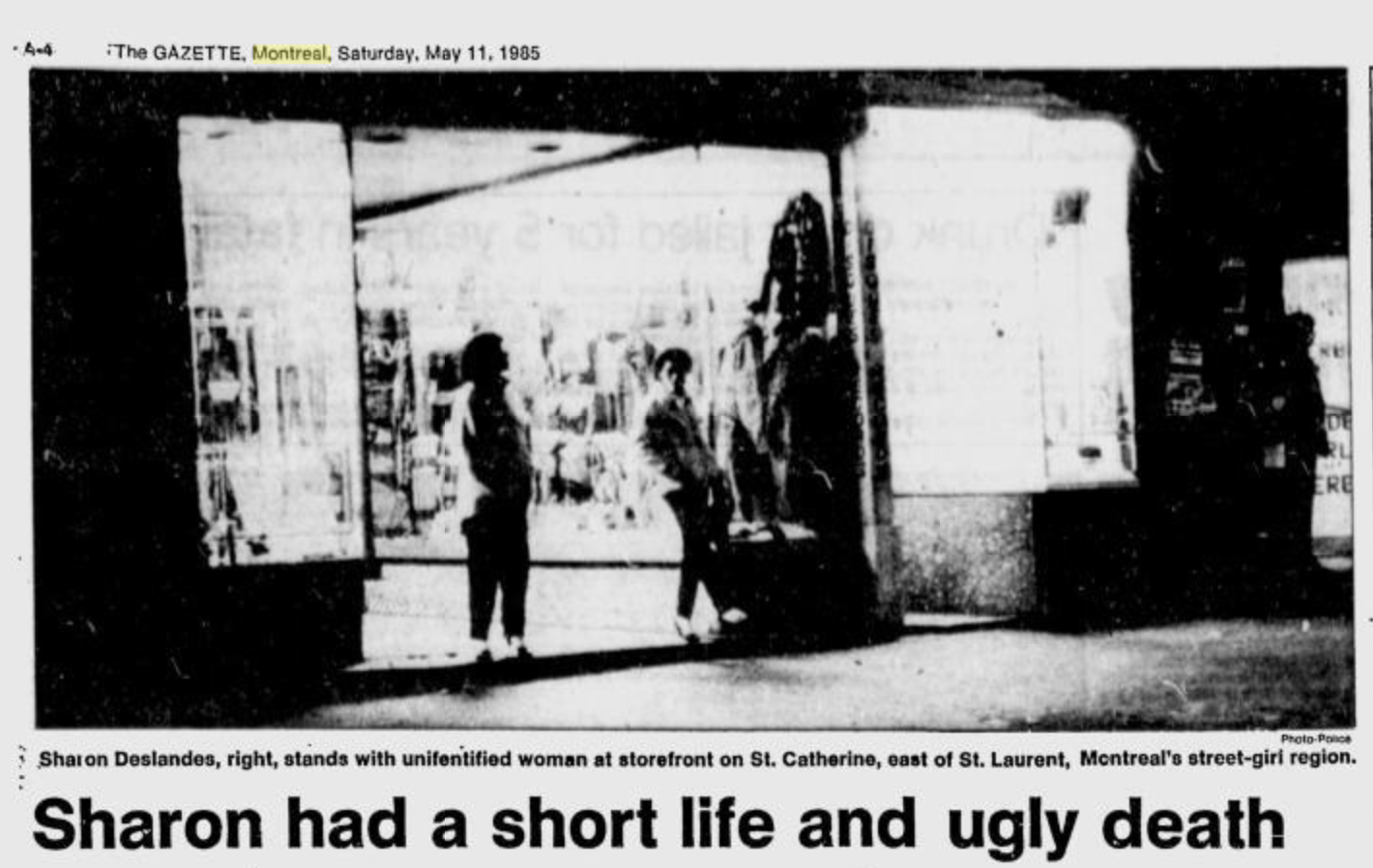
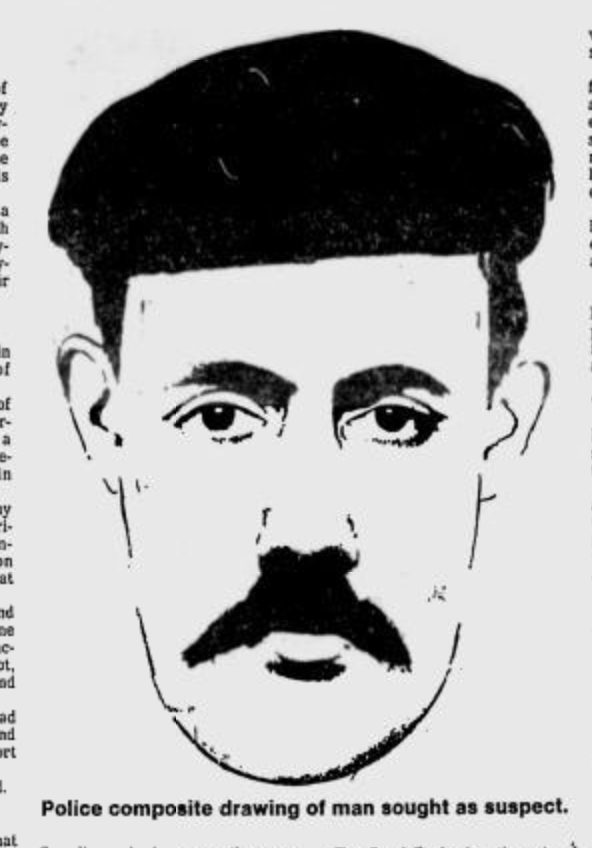
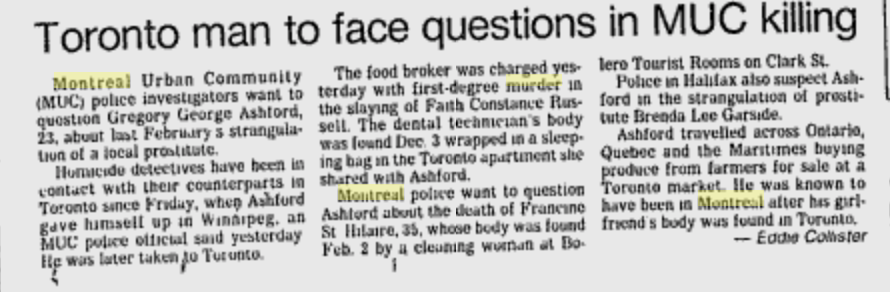
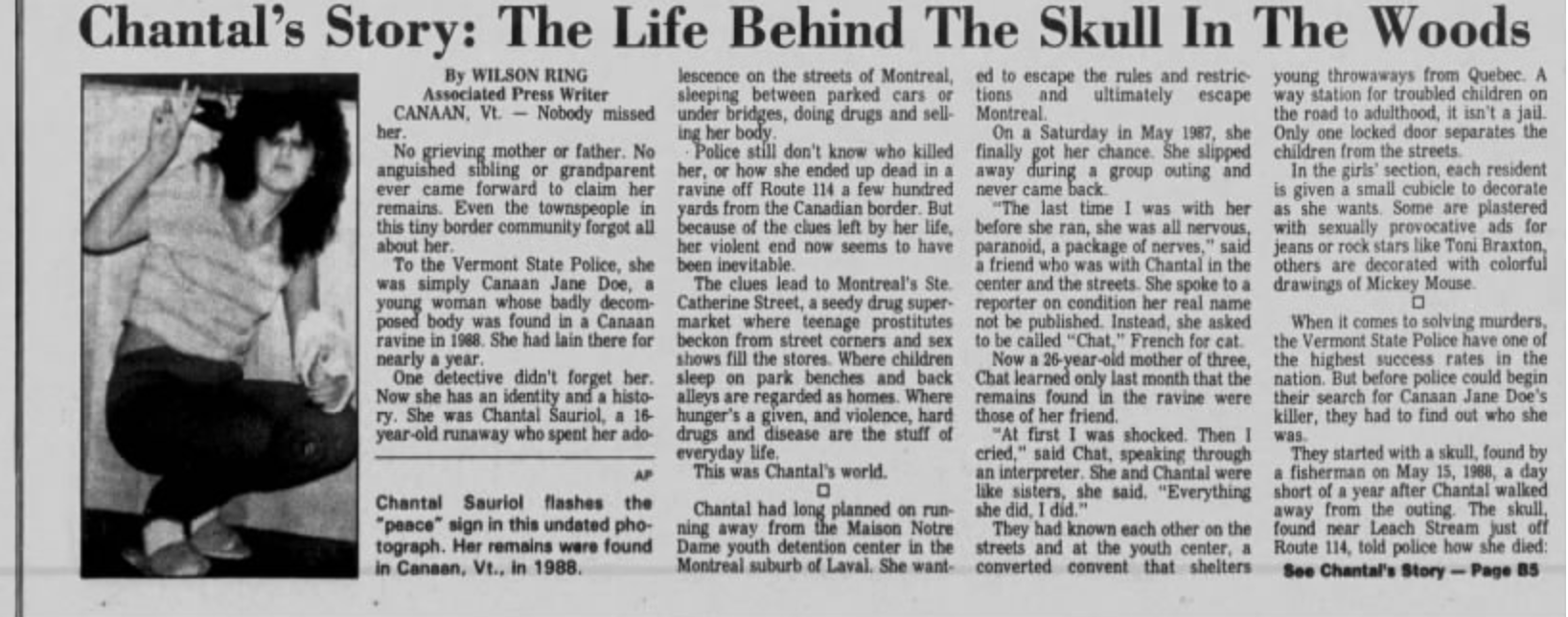
In case you missed it, here is a link to episode 2: https://podcasts.apple.com/podcast/id1896469784.
Image Descriptions…
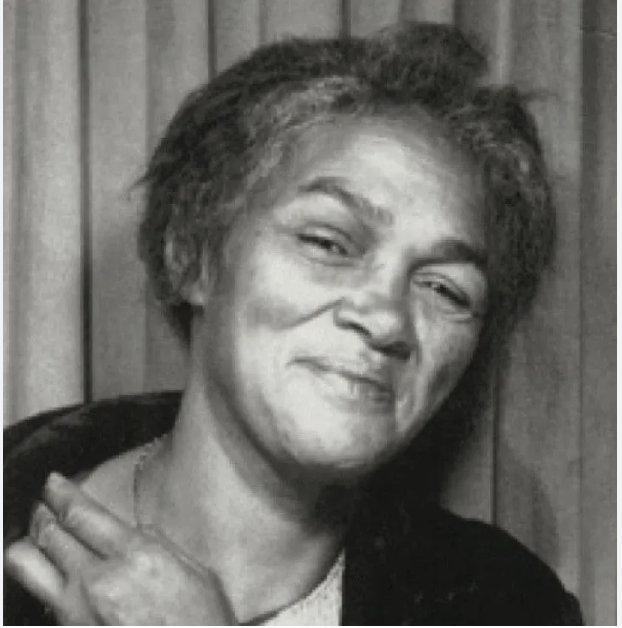
Image 1: black and white headshot of Doris Halfkenny Seale
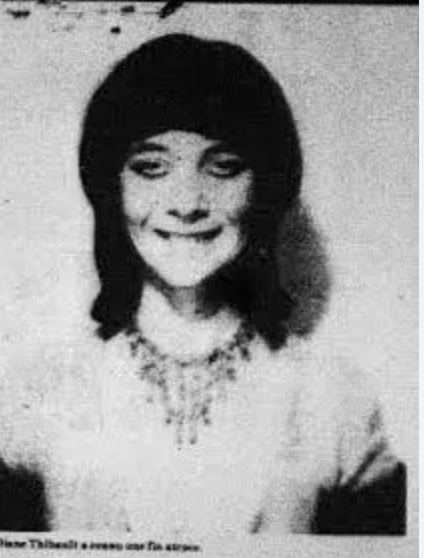
Image 2: black and white headshot of Diane Thibault
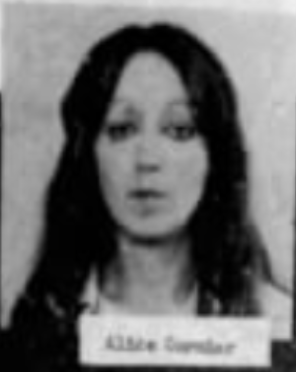
Image 3: black and white headshot of Alice Cormier
Image 4: newspaper article covering the murder of Sharon Deslandes
Image 5: newspaper clipping of a composite sketch of the man police sought in connection to Sharon’s murder, from the Montreal Gazette May 11, 1985 edition
Image 6: newspaper clipping on Francine St. Hillaire’s murder, from the Montreal Gazette December 31, 1985 edition
Image 7: newspaper clipping on Chantal’s murder
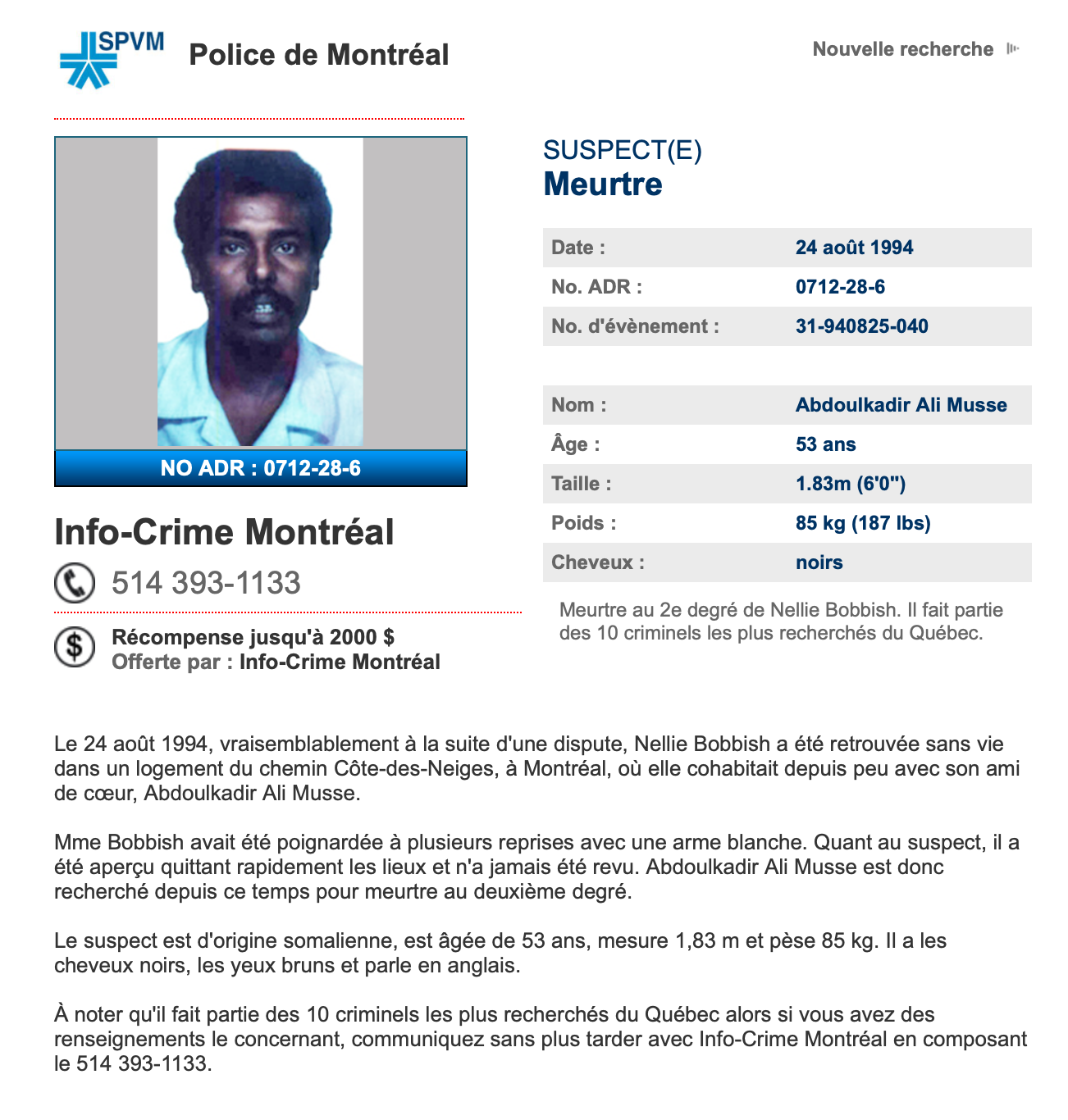
Image 8: wanted poster of Nellie Bobbish’s perpetrator
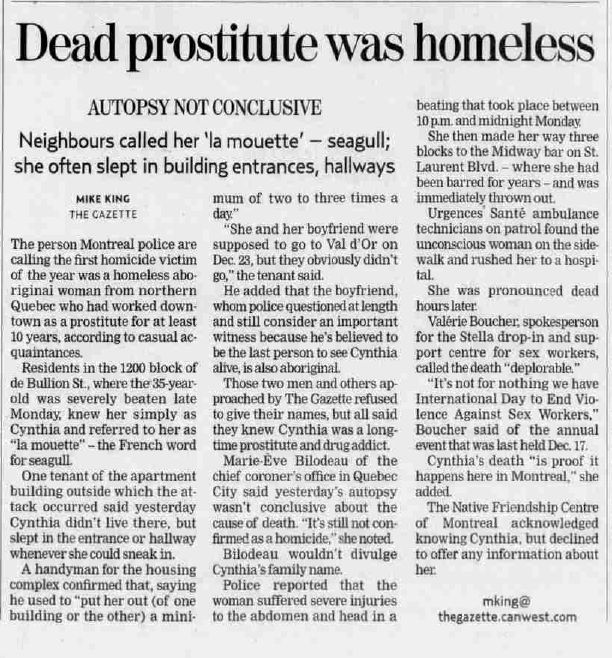
Image 9: newspaper clipping on Cynthia Kudcik's murder, from the Montreal Gazette January 6, 2005 edition
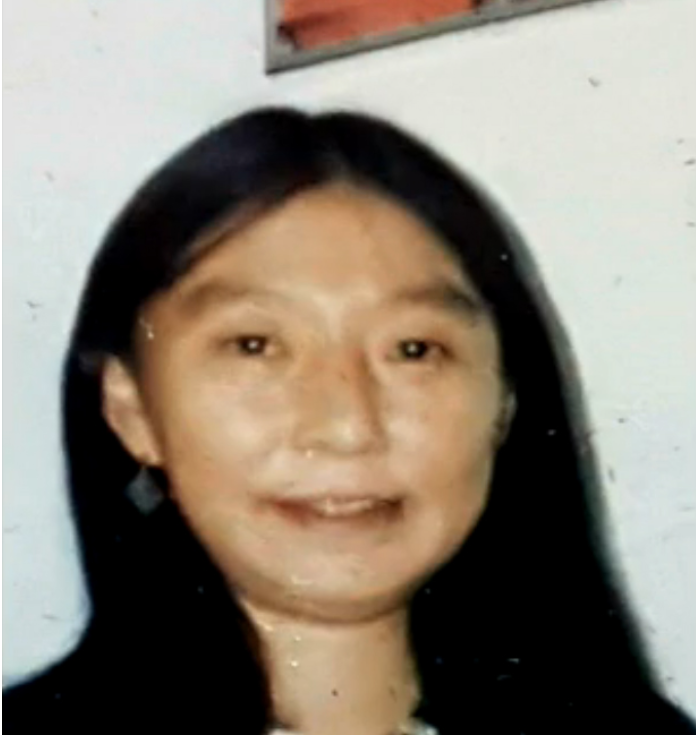
Image 10: image of Alacie Nowrakudluk
In this episode….
In our second episode, we start out by discussing a historic case of MMIWG2S+ in Montreal; an Inuk Jan Doe who has been unknown since 1983. This case, and the failure of police to adequately investigate this woman’s death has set a precedent for the neglect surrounding cases of MMIW2GS+ today. The historic MMIWG2S+ cases of Nellie Bobbish, Alacie Nowrakudluk, and Cynthia Kudjick are discussed, along with the cold cases of women involved in the sex trade in Montreal, including Doris Halfkenny Seale, Diane Thibault, Alice Cormier, Sharon Deslandes, Francine St. Hillaire, Chantal Sauriol, and Karen Margaret Lewis. We then discuss how the current impunity of murder and violence against Indigenous women and girls in Cabot Square is shaped by historic neglect of Indigenous women and women involved in the sex trade and facing sexual exploitation, of which women in Cabot Square occupy both.
Timestamps…
Episode 1 recap: 5:26
April 19, 1983 Jane Doe: 9:15
Sex work versus trafficking versus exploitation discourse: 20:29
Doris Halfkenny Seale: 39:05
Diane Thibault: 42:58
Alice Cormier: 48:09
Sharon Deslandes: 48:33
Francine St. Hillaire
Gregory George Ashford theory: 51:28
Chantal Sauriol: 52:32
Karen Margaret Lewis: 58:17
Cynthia Kudjik: 54:10
Nellie Bobbish: 58:05
Alacie Nowrakudluk: 59:06
Calls to Action…
Call the SPVM’s non-emergency line and ask that the April 19, 1983 Jane Doe’s case be added to their website under “Unidentified Remains”. The SPVM’s non-emergency line is: 514 393-1133
Call the Surete du Quebec and ask them to include further details about the Jane Doe. Let them know that you care about her. You can reach the Surete du Quebec at: 1-800-659-4264 and reference the case number 073-830419-003
Call the SPVM at 514-280-2222 and ask them to re-open the investigation into the deaths of: Doris Halfkenny Seale, Diane Thibault, Alice Cormier, Sharon Deslandes, Francine St. Hillaire, Karen Margaret Lewis, Cynthia Kudjick, Alacie Nowrakudluk, and Nellie Bobbish. They might hang up or cut you off, but try to keep going and push on. Family members do it every single day.
Resources…
Canadian Human Trafficking Hotline: 1-833-900-1010, or visit: https://canadianhumantraffickinghotline.ca/
Link to the April 19, 1983 Jane Doe RCMP profile: https://www.services.rcmp-grc.gc.ca/missing-disparus/case-dossier.jsf?case=2020051250&id=5&lang=en
Quebec Family Information Liaison Unit: https://www.quebec.ca/en/gouvernement/ministeres-organismes/secretariat-premieres-nations-inuit-srpni/mission-mandats/qfilu
Nunavut Family Information Liaison Unit: https://nu.211.ca/detail/71252398/#refresh
Crime Victim Assistance Centre: https://cavac.qc.ca/en/
Why Prostitution Shouldn’t be Legal: https://www.demandabolition.org/research/evidence-against-legalizing-prostitution/
Why Sex Work Should be Decriminalized: https://www.hrw.org/news/2019/08/07/why-sex-work-should-be-decriminalized
National Inquiry on MMIWG2S+ - Reclaiming Power and Place Final Report “The Sex Industry, Sexual Exploitation, and Human Trafficking” (pg. 656): https://www.mmiwg-ffada.ca/wp-content/uploads/2019/06/Final_Report_Vol_1a-1.pdf
References…
Abel, G. M., Fitzgerald, L. J., & Brunton, C. (2009). The impact of decriminalisation on the number of sex workers in New Zealand. Journal of Social Policy, 38(3), 515–531. https://doi.org/10.1017/S0047279409003080
Alsalem, R. (2024). Prostitution and violence against women and girls (Report of the Special Rapporteur on violence against women and girls, its causes and consequences, A/HRC/56/48). United Nations Human Rights Council. https://docs.un.org/en/A/HRC/56/48
Allore, J. (2018, May 28). Who killed Diane Thibeault?Who Killed Theresa?https://theresaallore.com/2018/05/28/6818/
Anonymous. January 2025. Episode 1 - A Forgotten Place. In Manufactured Death - Cabot Square.
Armstrong, L. (2021). ‘I can lead the life that I want to lead’: Social harm, human needs and the decriminalisation of sex work in Aotearoa/New Zealand. Sexuality Research and Social Policy, 18(4), 941–951. https://doi.org/10.1007/s13178-021-00605-7
CBC. (2005, January 4). First murder (Montreal’s first murder victim of the year) [CBC Archive Sales audio‑visual/text item]. CBC Archive Sales. https://distributionarchives.cbcrc.ca/en/items/faa60ece-9621-4e6a-aa5e-e65ce5f0cb39
CBC News. (n.d.). Tiffany Alice Morrison profile. CBC. https://www.cbc.ca/missingandmurdered/mmiw/profiles/tiffany-alice-morrison
Cherry, P. (2014, October 31). The woman who gave Chez Doris its name. Montreal Gazette. https://montrealgazette.com/news/local-news/the-woman-who-gave-chez-doris-its-name
Cherry, P. (2015, December 16). Businessman sentenced to 12 years for sexual assaults on sex workers. Montreal Gazette. https://montrealgazette.com/news/local-news/businessman-sentenced-to-12-years-for-sexual-assaults-on-sex-workers
Chu, S. K. H., & Glass, R. (2013). Sex work law reform in Canada: Considering problems with the Nordic model. Alberta Law Review, 51(1), 101–124. https://doi.org/10.29173/alr59
Criminal Code, R.S.C. 1985, c. C-46, s. 279.01. https://laws-lois.justice.gc.ca/eng/acts/c-46/section-279.01.html
Global Network of Sex Work Projects. (2013). NSWP consensus statement on sex work, human rights, and the law(ConStat PDF EngFull). https://www.nswp.org/sites/default/files/ConStat%20PDF%20EngFull.pdf
National Inquiry into Missing and Murdered Indigenous Women and Girls. (2019). Reclaiming power and place: The final report of the National Inquiry into Missing and Murdered Indigenous Women and Girls (Vol. 1a). Privy Council Office, Government of Canada. https://www.mmiwg‑ffada.ca/wp‑content/uploads/2019/06/Final_Report_Vol_1a‑1.pdf
Ottawa Citizen. (1985, December 30). Murder suspect returned to Toronto. Ottawa Citizen. https://books.google.ca/books?id=Qa8yAAAAIBAJ&pg=PA7&dq=Gregory+George+Ashford+murder
Potterat, J. J., Brewer, D. D., Muth, S. Q., Rothenberg, R. B., Woodhouse, D. E., Muth, J. B., Stites, H. K., & Brody, S. (2004). Mortality in a long-term open cohort of prostitute women. American Journal of Epidemiology, 159(8), 778–785. https://doi.org/10.1093/aje/kwh110
Richmond, S. (2023). The transformation of Chez Doris. Social Transformation. https://socialtransformation.ca/the‑transformation‑of‑chez‑doris/
Special Committee to Prevent the Abuse and Exploitation of Children through the Sex Trade. (2000, March 22). Hansard Verbatim Report No. 9 (24th Leg.). Legislative Assembly of Saskatchewan. https://docs.legassembly.sk.ca/legdocs/Legislative%20Committees/AEC/24%20Leg/000322Debates‑AEC.pdf
Struyf, P. (2022). To report or not to report? A systematic review of sex workers’ willingness to report violence and victimization to police. Trauma, Violence, & Abuse, 24(5), 3065–3077. https://doi.org/10.1177/15248380221122819
Sûreté du Québec. (2007, November 29). Abdoulkadir Ali Musse — Les fugitifs les plus recherchés au Québec. fugitifsquebec.com. https://www.fugitifsquebec.com/fugitif/abdoulkadir-ali-musse/
The Canadian Centre to End Human Trafficking. (2020, November 18). Why victims and survivors of human trafficking may choose not to report. https://www.canadiancentretoendhumantrafficking.ca/why-victims-and-survivors-of-human-trafficking-may‑choose‑not‑to‑report/
The Montreal Gazette. (1984, November 28). Police Identify Slain Woman. The Montreal Gazette. https://books.google.ca/books? id=GSAyAAAAIBAJ&pg=PA3&dq=Alice+cormier+montreal&article_id=6642,5156397&hl=en#v=onepage&q=Alice%20cormier%20montreal&f=false
The Montreal Gazette. (1985, May 11). Sharon lived a short life and an ugly death. The Montreal Gazette. https://books.google.ca/books?id=AYY0AAAAIBAJ&pg=PA7&dq=prostitute+murder+montreal&article_id=2835%2C33160&hl=en
The Montreal Gazette. (1985, February 4). Police seek young man after woman found strangled. The Montreal Gazette. https://books.google.ca/books?id=ww0vAAAAIBAJ&pg=PA6&dq=sharon+deslandes+murder
The Montreal Gazette. (1985, May 23). Detective unable to forget murder victim left in ditch. The Montreal Gazette. https://books.google.ca/books?id=mvlIAAAAIBAJ&pg=PA29&dq=prostitute+murder+montreal
Episode One: A Forgotten Place
“Manufactured Death Episode One: A Forgotten Place” show notes with timestamps, resources, and sources.
“Manufactured Death - Episode One: A Forgotten Place” Show Notes
In case you missed it, here is a link to episode 1 of “Manufactured Death”: https://podcasts.apple.com/podcast/id1896469784
Image descriptions…
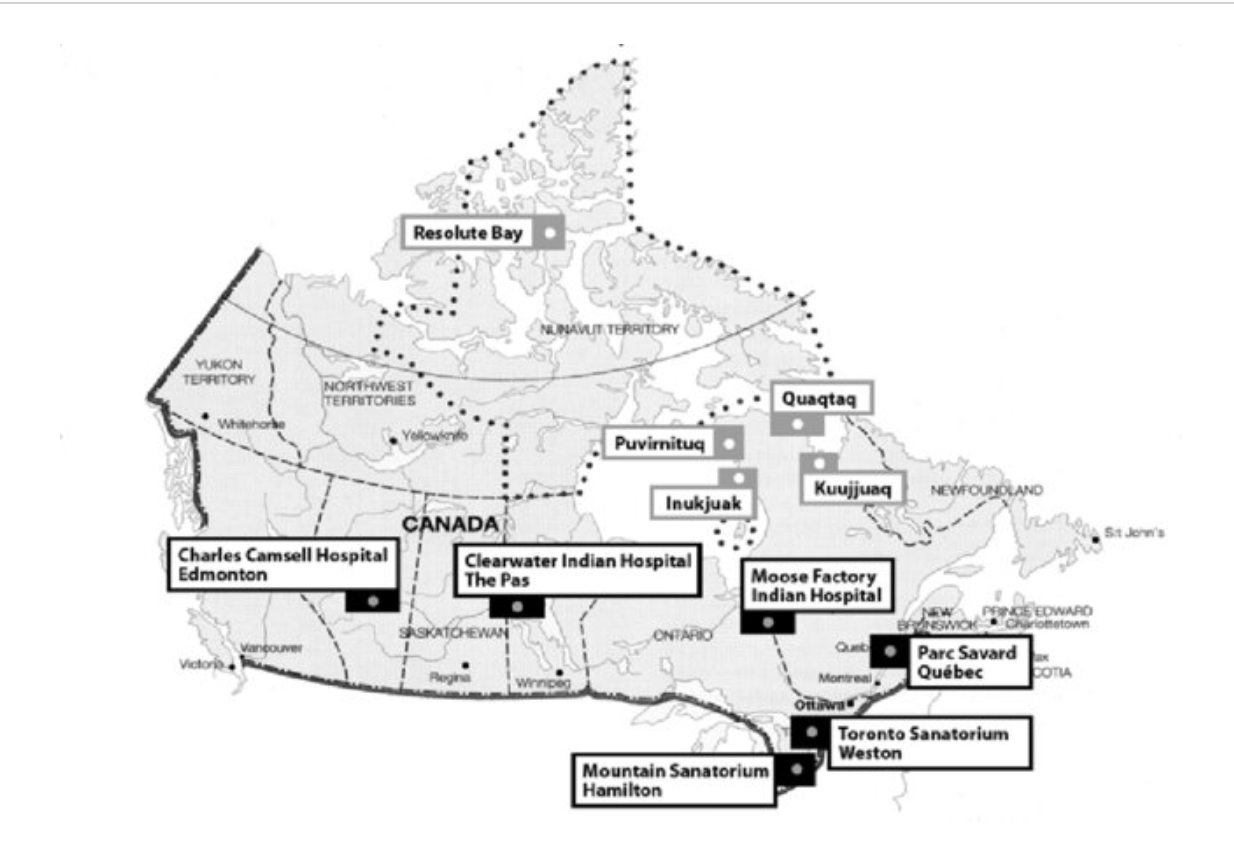
Image 1: a map of tuberculosis sanatoriums in Canada (Oloffson, E., Holton, T., Patridge, I. (January 2008). “Negotiating identities: Inuit tuberculosis evacuees in the 1940s-1950s”.Études/Inuit/Studies. 10.7202/038219ar)
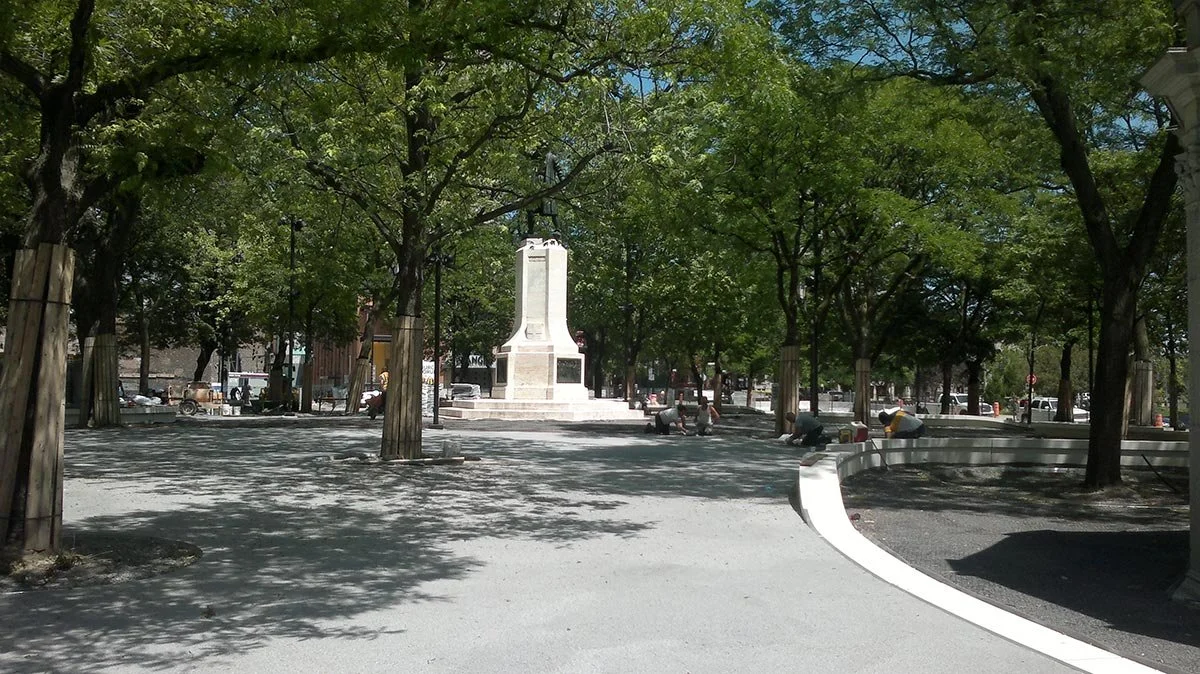
Image 2: a photo of present day Cabot Square
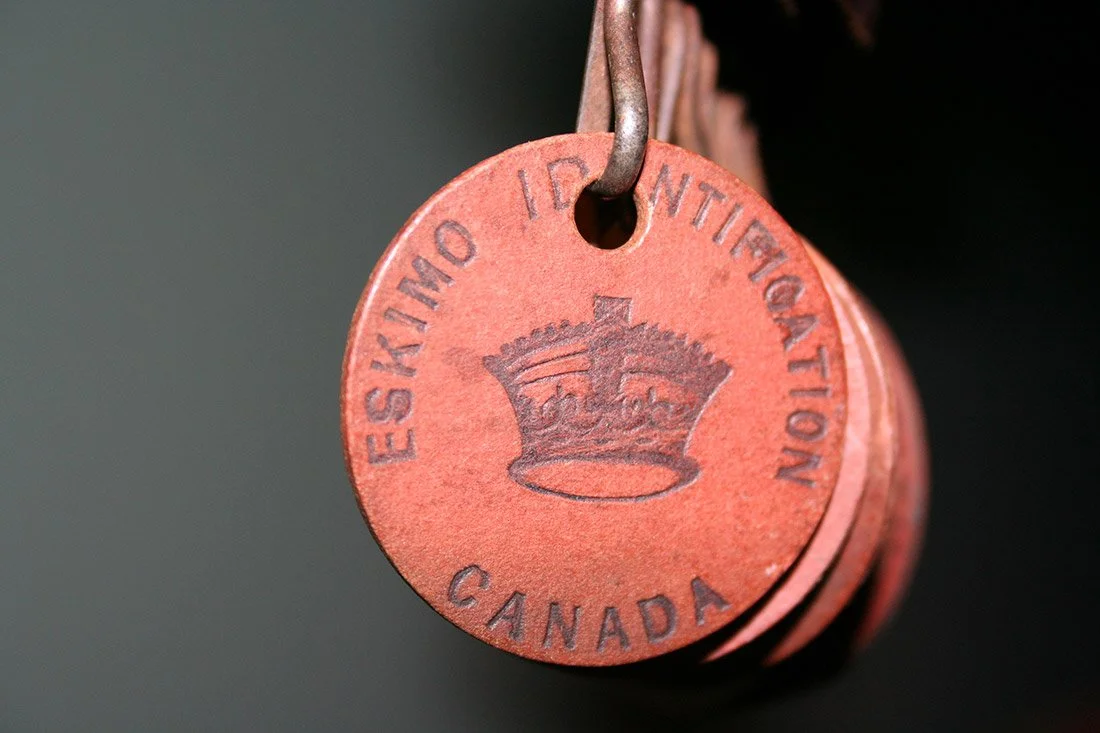
Image 3: photo of Inuit disk numbers
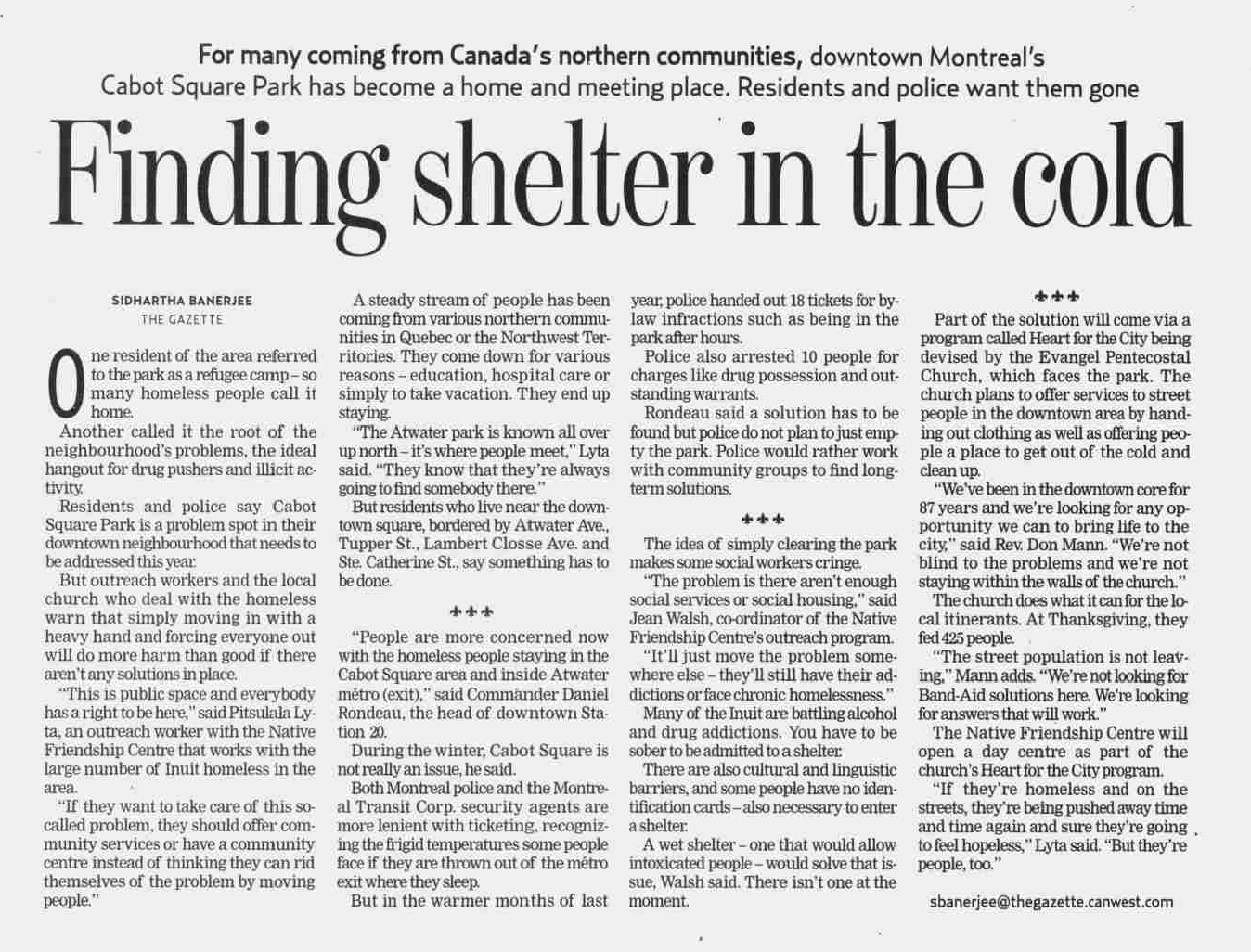
Image 4: newspaper clipping from the January 6, 2004 Montreal Gazette on Cabot Square as a gathering place for Inuit in Montreal
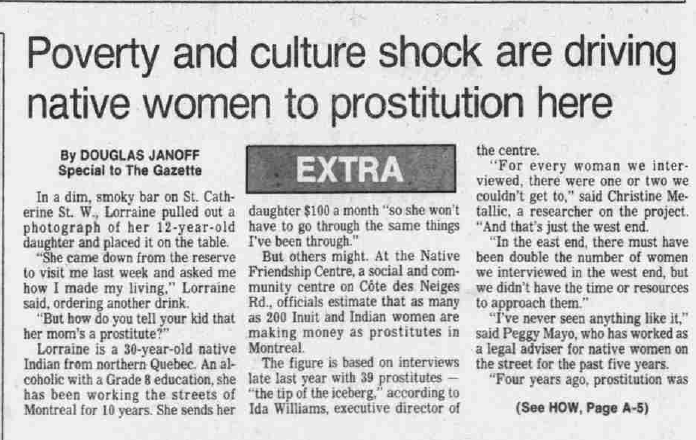
Image 5: newspaper clipping from January 9, 1987 Montreal Gazette on Susan Zambrowsky’s “Native Women in Conflict with the Law” study
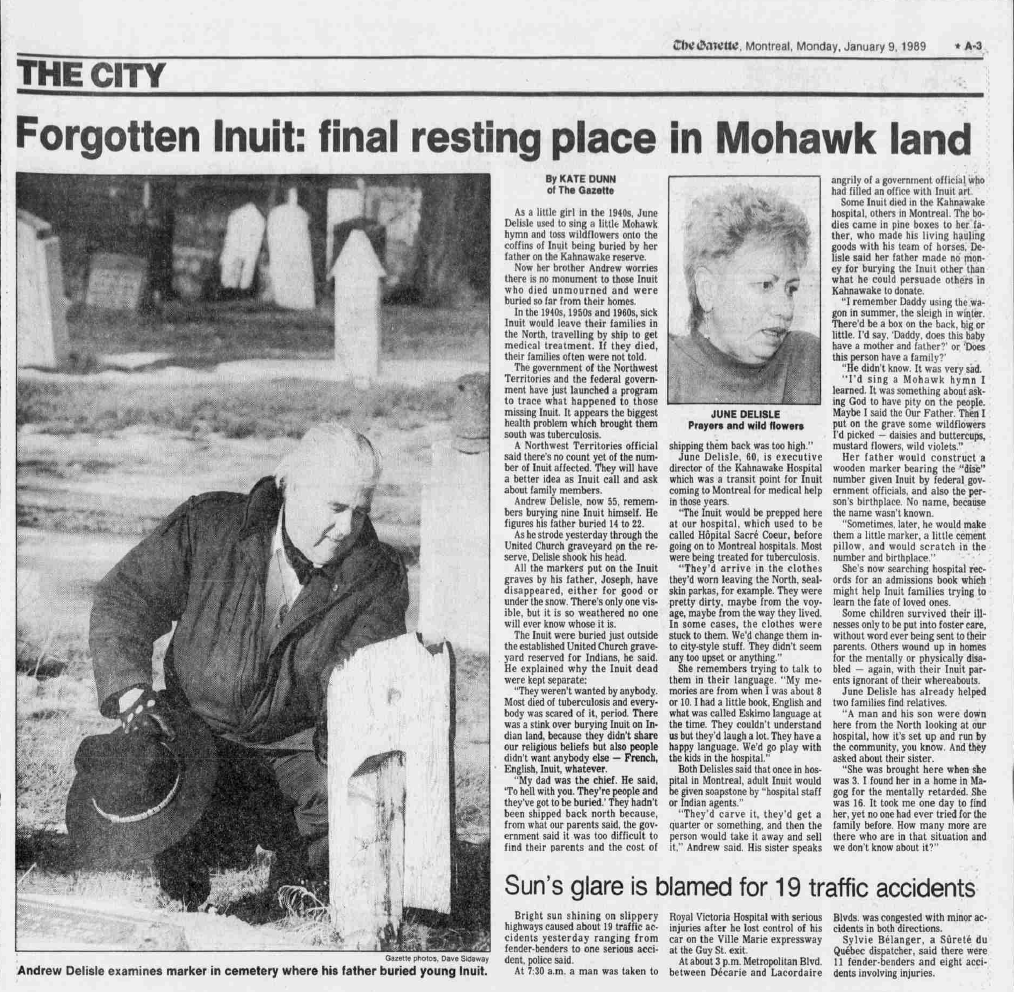
Image 6: newspaper clipping from January 9, 1989 on the burial of missing Inuit from TB sanatoriums on Mohawk land
In this episode…
In our introductory episode, we begin our story by situating Cabot Square as a microcosm within Canada’s broader history and ongoing legacy of colonialism and white supremacy. Namely, we answer the question: how did Cabot Square come to be a gathering space for urban Indigenous people in Montreal? How was the site of resistance coopted by non-Indigenous people and turned into a site of violence and exploitation?
Timestamps….
00:35: Introduction to the series
16:01: History of Cabot Square as a gathering place for urban Indigenous folks
21:55: Colonization of Inuit and forced displacement to Montreal in order to access health care
26:24: “Evacuation policy” and Inuit mothers
33:27: Inuit and tuberculosis sanatoriums
45:27: An introduction to the women of Cabot Square and historical reports on unhoused Indigenous women in Montreal
Resources…
1. Take some time to learn about Qavvivik Inuit Family and Community Health Centre: https://www.qavvivik.ca and the Indigenous Health Centre of Tiohtià:ke at: https://www.ihct.ca/. Both are community created and led heath services for urban Inuit and First Nations communities and work to undo decades of harm by the colonial medical system through offering hoslitic, Indigenous health care services. If you can, please make a donation to either or both organizations who are directly serving Indigenous women and girls in and around Cabot Square.
2. The second call to action is to read the Final Report of the National Inquiry on Missing and Murdered Indigenous Women and Girls, “Reclaiming Power and Place”. In particular, take some time to read the Supplemental Report on Quebec: https://www.mmiwg-ffada.ca/final-report/
3. Learn more about the impact of “evacuation policies” on Inuit women by visiting Pauktuutit Inuit Women of Canada’s website: https://pauktuutit.ca/midwifery/
4. National Inquiry on MMIWG2S+: https://www.mmiwg-ffada.ca/final-report/
5. Quebec Family Information Liaison Unit: https://www.quebec.ca/en/gouvernement/ministeres-organismes/secretariat-premieres-nations-inuit-srpni/mission-mandats/qfilu
6. Nanilavut Initiative: https://www.rcaanc-cirnac.gc.ca/eng/1552059698863/1552059725063
References…
Batshaw History Conservation Project. (n.d.). The history of Ville Marie Social Services. https://batshawcentreshistory.ca/ville_marie_social_services.html
Baxter, J. D. (2006). Historical overview of the McGill Baffin program, 1964–1997. International Journal of Circumpolar Health, 65(1), 91–95. https://doi.org/10.3402/ijch.v65i1.17875
Bell, J. (1997, September 12). Baffin House to stay open for now. Nunatsiaq News. https://nunatsiaq.com/stories/article/baffin_house_to_stay_open_for_now/
Breitkreutz, S. (2014). Stories of place: Urban community and contested space in Montreal’s Cabot Square (Master’s thesis). Concordia University. https://spectrum.library.concordia.ca/id/eprint/979037/1/Breitkreutz_MA_F2014.pdf
Bronstein, T. (2013). Bringing birth home: An analysis of Inuit birthing practices and policies. The McGill Journal of Global Health. https://mghjournal.com/wp-content/uploads/2015/04/bringing-birth-home-an-analysis-of-inuit-birthing-practices-and-policies.pdf
Centre for Addiction and Mental Health. (2016). Straight Talk: Crack (Pamphlet; ISBN 9780888689818). Centre for Addiction and Mental Health. https://www.camh.ca/en/health-info/guides-and-publications/straight-talk-crack
Devine, C. (2017, September 22). “Our people were experimented on”: Indigenous sanatorium survivors recall medical tests. CBC News. https://www.cbc.ca/news/canada/manitoba/indigenous-sanatorium-suvivors-medical-experiments-1.4301131 (CBC News)
Fanelli, L. N. (2021). ᐅᑎᕈᒪᔪᖓ Utirumajunga (I Want to Return): A look at situations of homelessness among Inuit women in Montreal (Master’s thesis). Concordia University. https://assets.cmhc-schl.gc.ca/sf/project/archive/theses/fanelli_ma_s2022s.pdf
Guimont Marceau, S., Buckell, J., Drouin‑Gagné, M.‑È., Léonard, N., & Ainsley Vincent, R. (2023). Settler urbanization and Indigenous resistance: Uncovering an ongoing palimpsest in Montreal’s Cabot Square. Urban History Review, 51(2), 310–333. https://doi.org/10.3138/uhr‑2022‑0035
Indian Residential School History and Dialogue Centre. (n.d.). The child welfare system and the Sixties Scoop. University of British Columbia. https://irshdc.ubc.ca/learn/the-child-welfare-system-and-the-sixties-scoop/
Larga Baffin Ltd. (n.d.). What we do. https://largabaffin.ca/what-we-do/
Montreal Children’s Hospital. (n.d.). History. Montreal Children’s Hospital. https://montrealchildrenshospital.ca/history/
National Inquiry into Missing and Murdered Indigenous Women and Girls. (2019). Reclaiming power and place: The final report of the National Inquiry into Missing and Murdered Indigenous Women and Girls (Vol. 1a). Privy Council Office, Government of Canada. https://www.mmiwg-ffada.ca/wp-content/uploads/2019/06/Final_Report_Vol_1a-1.pdf
National Inquiry into Missing and Murdered Indigenous Women and Girls. (2019). A legal analysis of genocide: Supplementary report of the National Inquiry into Missing and Murdered Indigenous Women and Girls. Privy Council Office, Government of Canada. https://www.mmiwg-ffada.ca/wp-content/uploads/2019/06/Supplementary-Report_Genocide.pdf
National Inquiry into Missing and Murdered Indigenous Women and Girls. (2019). Supplementary report – Quebec (Final Report, Volume 2). Government of Canada. https://www.mmiwg-ffada.ca/wp-content/uploads/2019/06/Final_Report_Vol_2_Quebec_Report-1.pdf
Nunavik Regional Board of Health and Social Services. (2011, March 2). Press release: The Northern Québec Module (MNQ) is moving to the YMCA’s Y Residence in April (Press release). https://nrbhss.ca/sites/default/files/11_2011-03-02%20Press_Release_English%20MNQ%20RELOCATION%20IN%20YMCA.pdf
Olofsson, E., Holton, T. L., & Partridge, I. (2008). Negotiating identities: Inuit tuberculosis evacuees in the 1940s–1950s. Études/Inuit/Studies, 32(2), 127–149. https://doi.org/10.7202/038219ar
Parks Canada. (n.d.). Montréal Forum National Historic Site of Canada. Government of Canada. https://www.pc.gc.ca/apps/dfhd/page_nhs_eng.aspx?id=1817&i=71653
Pauktuutit Inuit Women’s Association. (2006). The Inuit way: A guide to Inuit culture (PDF). https://www.relations-inuit.chaire.ulaval.ca/sites/relations-inuit.chaire.ulaval.ca/files/InuitWay_e.pdf
Rogers, S. (2010, February 16). Notorious Montreal Nunavik House to move soon. Nunatsiaq News. https://nunatsiaq.com/stories/article/98678_notorious_montreal_nunavik_house_to_move_soon/
Ross, A. D. (1982). The lost and the lonely: Homeless women in Montreal. Atlantis: Critical Studies in Gender, Culture & Social Justice. https://atlantisjournal.ca/atlantis/en/article/view/4551/3789
Ross, S. (2017, October 16). Branded: How Inuit women in Montreal end up on the street — or dead. Canada’s National Observer. https://www.nationalobserver.com/2017/10/16/news/branded-how-inuit-women-montreal-end-street-or-dead
Roy, É., Arruda, N., Vaillancourt, É., Boivin, J.-F., Morissette, C., Leclerc, P., Alary, M., & Bourgois, P. (2011). Drug use patterns in the presence of crack in downtown Montréal.Drug and Alcohol Review, 31(1), 72–80. https://doi.org/10.1111/j.1465-3362.2011.00299.x
Sistovaris, M., Sansone, G., Fallon, B., & Miller, S. (2022). The efficacy of birth alerts: Fact sheet. Policy Bench, Fraser Mustard Institute of Human Development, University of Toronto. https://socialwork.utoronto.ca/wp-content/uploads/2022/08/Fact-Sheet-Birth-Alerts-Jan13.pdf
The Montreal Gazette. (1957, June 13). Montreal Gazette, p. 8. https://books.google.ca/books?id=zTgjAAAAIBAJ&pg=PA8&dq=CABOT+SQUARE+MONTREAL&article_id=3844,2647616&hl=en&sa=X&ved=2ahUKEwipjr6wh8aRAxWqN2IAHVXKKC4Q6AF6BAgKEAM#v=onepage&q=CABOT%20SQUARE%20MONTREAL&f=false
West Coast Women’s Legal Education and Action Fund (LEAF). (2022). The power of language: What do “family policing” and “child and family well-being” mean? West Coast LEAF. https://westcoastleaf.org/wp-content/uploads/2023/05/11-8-2022-Family-policing-resource-final.pdf
Women’s National Housing & Homelessness Network. (2025, February 10). Statement: Why young women experiencing homelessness are dying in Toronto. https://womenshomelessness.ca/torontodeaths/
Zambrowsky, S. C. (1987). Needs assessment on the Native women who are or may be in conflict with the law in the region of Montreal (Report No. 1987‑27). Solicitor General Canada. https://www.publicsafety.gc.ca/lbrr/archives/e%2098.w8%20z3%201987‑eng.pdf